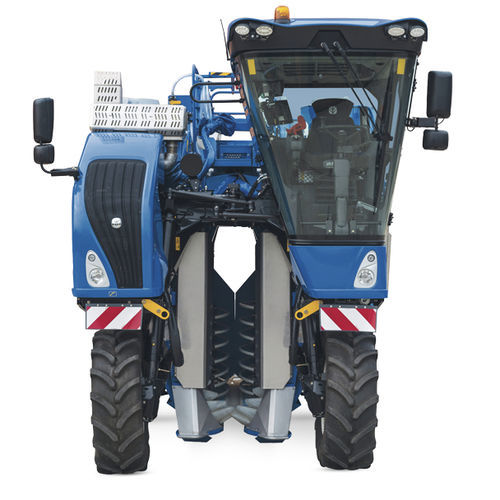

What does a banana picking machine actually do?
Modern banana harvesters combine a hydraulic boom, cushioned catching platform, and a conveyor that delivers hands of fruit into crates without bruising. The best machines are designed to work at row-spacings as tight as 3 metres, letting growers automate the most labour-intensive stage of banana production.
Price ranges in 2026
Australian growers can expect the following ballpark figures (before delivery, install, and training):
- Small orchard, single-operator ride-on ($45,000 – $75,000) — suits blocks under 10 hectares. Manual cut, mechanised conveying.
- Mid-sized dual-conveyor rigs ($90,000 – $160,000) — the sweet spot for growers running 10–30 hectares. Powered cut heads reduce operator strain.
- Full auto-harvester with vision-guided cut ($220,000 – $380,000) — used by the largest plantations. Optical sizing, GPS row-following, and 3–4 tonnes/hour throughput.


Compare quotes from expert Australian suppliers and make the best choice. It's free, quick and easy!
Key features to look for
- Cushioned drop zone — bruised fruit is unsellable, so the drop path from cutter to crate matters more than raw speed.
- Row-clearance — check the minimum turning radius on your headlands, not just the machine width.
- Field serviceability — banana crops don't wait; ask suppliers about local parts availability and average downtime.
- Operator training — many Australian dealers include 2–3 days of training in the sale price; confirm before signing.
Financing options
Most growers finance harvesters over 3–5 years using chattel mortgages or equipment leases. Rates in early 2026 sit around 6.5–8.5% p.a. depending on the balance sheet. EasyAsset's finance partners specialise in agricultural equipment finance — talk to them before committing to a machine.
Should you buy new or used?
The second-hand market is thin: banana machines are worked hard for 6-8 seasons and rarely come up. When they do, expect 40–60% of the new-price if under 4,000 hours. A pre-purchase inspection by an independent hydraulics technician is non-negotiable.
Bottom line
For most Australian growers upgrading in 2026, a mid-sized dual-conveyor rig in the $90k–$160k band delivers the best return. Get 3 quotes from suppliers on EasyAsset, compare the total cost including install and training, and always ask for a demo in an actual working row before you sign.