



Key takeaways:
- Water security matters: Around 40–50% of Australian household water use can be substituted with rainwater for toilets, laundry and irrigation, reducing mains reliance and long-term bills (Bureau of Meteorology, ABS).
- Tank size drives value: A 5,000–10,000L tank suits most homes, while farms and industrial sites often require 50,000–500,000L+, depending on rainfall and demand.
- Prices vary widely: Expect $800–$3,000 for residential poly tanks, $3,000–$15,000+ for steel tanks, and $20,000+ for large concrete or industrial systems (excluding installation).
- Compliance is critical: Australian water tanks must meet AS/NZS 4766 (polyethylene) or AS 2304 (steel), and plumbing must comply with AS/NZS 3500 and local council rules.
- Proper setup protects health: Non-potable systems require backflow prevention, mosquito-proofing and signage; potable systems need filtration, disinfection and regular testing.
- Maintenance protects lifespan: Well-maintained tanks last 15–30+ years, but neglected systems risk contamination, pump failure and early replacement.
Introduction: Why water tanks are no longer optional
Across Australia, rainfall volatility, water restrictions and rising utility costs are reshaping how households, farms and businesses manage water. According to the Bureau of Meteorology, much of Australia is experiencing longer dry periods punctuated by intense rainfall events. Capturing and storing rainwater is now less about sustainability messaging and more about resilience, cost control and operational continuity.
Whether you are installing a tank for a home, medical practice, warehouse, farm or industrial site, the wrong choice can lead to undersizing, compliance breaches or expensive retrofits. This guide walks you through tank types, sizing, pricing, operation, maintenance, compliance, financing and warranties, so you can make a confident, long-term buying decision.


Compare quotes from expert Australian suppliers and make the best choice. It's free, quick and easy!
Types of water tanks available in Australia
Polyethylene (poly) water tanks
Best for: homes, small businesses, clinics, light commercial use
Overview: Rotationally moulded plastic tanks dominate the residential market due to affordability and corrosion resistance.
Pros
- UV-stabilised and rust-free
- Lightweight and easy to install
- Available in slimline, round and underground designs
- Lower upfront cost
Cons
- Limited size compared to steel or concrete
- Can degrade if poor-quality resin is used
Typical sizes: 1,000L to 25,000L
Typical lifespan: 15–25 years
Steel water tanks (galvanised or colorbond)
Best for: farms, rural properties, industrial and fire-fighting use
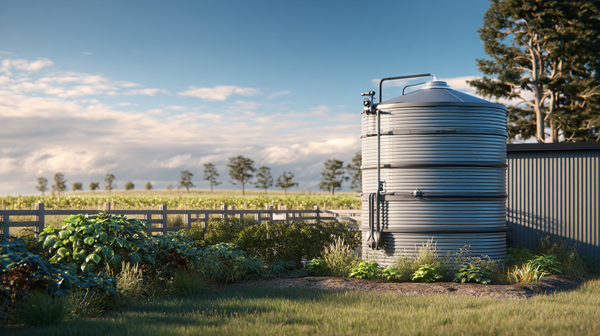
Overview: Steel tanks are the backbone of large-volume water storage in Australia.
Pros
- Very large capacity options
- Strong structural integrity
- Long service life when maintained
- Fire-resistant compared to plastic
Cons
- Higher upfront cost
- Requires corrosion protection and periodic inspection
Typical sizes: 10,000L to 500,000L+
Typical lifespan: 20–30+ years
Concrete water tanks
Best for: potable water storage, underground installations, temperature-sensitive uses
Overview: Concrete tanks offer thermal stability and longevity, often used where drinking water quality is critical.
Pros
- Excellent temperature regulation
- Longest lifespan
- Ideal for underground installation
Cons
- High cost and heavy installation requirements
- Limited relocation flexibility
Typical sizes: 5,000L to 200,000L+
Typical lifespan: 30–50+ years
Water tank pricing in Australia (2025 guide)
| Tank type | Typical price range (tank only) |
| Poly (1,000–5,000L) | $800 – $1,800 |
| Poly (10,000–25,000L) | $2,000 – $4,500 |
| Steel (20,000–100,000L) | $3,000 – $15,000 |
| Concrete (10,000–50,000L) | $6,000 – $25,000 |
Installation costs:
Add $1,500–$6,000+, depending on:
- Site access
- Slab or base preparation
- Plumbing complexity
- Pump and filtration systems
How water tanks operate in practice
A compliant water tank system includes:
- Roof catchment (metal roofs are preferred)
- Gutters and downpipes
- First-flush diverters (to remove contaminants)
- Mosquito-proof inlet and overflow
- Storage tank
- Pump and pressure controller
- Filtration and disinfection (if potable)
According to Australian plumbing data, toilet flushing, laundry and irrigation account for up to 45% of household water use, making these the most cost-effective applications for rainwater reuse.
Compare quotes from expert Australian suppliers and make the best choice. It's free, quick and easy!
Sizing your water tank correctly
Residential rule of thumb
- 2–3 people: 3,000–5,000L
- 4–5 people: 5,000–10,000L
- Whole-of-house supply: 10,000–20,000L+
Commercial and industrial sites
Calculate based on:
- Daily litres required
- Rainfall averages (BOM data)
- Roof catchment area
- Backup supply tolerance
Undersizing is the most common buyer mistake and often leads to pump cycling, water shortages and poor ROI.
Maintenance requirements you must plan for
Regular maintenance is not optional if you want water quality and longevity.
Quarterly
- Check screens and mosquito mesh
- Inspect gutters and downpipes
Annually
- Clean first-flush diverters
- Inspect pumps and fittings
- Test potable water quality (if applicable)
Every 3–5 years
- Sludge removal (especially concrete tanks)
- Internal inspection of steel tanks
Poor maintenance is a leading cause of E. coli contamination and pump failure, according to state health authorities.
Parts and accessories you will need
Common components include:
- Pressure pumps and controllers
- Sediment, carbon and UV filters
- Level indicators
- Fire-fighting outlets
- Backflow prevention devices
- Smart monitoring systems
Choosing compatible, serviceable parts reduces downtime and replacement costs.
Financing options for water tanks
For businesses and farms, water tanks are often treated as capital equipment.
Options include:
- Equipment finance or chattel mortgage
- Low-interest agribusiness loans
- Green or sustainability finance products
- Council or state rebates (varies by state)
Many Australian lenders allow water tanks to be bundled with pumps, filtration and installation.
Warranties and expected lifespan
- Poly tanks: 10–25 year manufacturer warranty
- Steel tanks: 10–20 year structural warranty
- Concrete tanks: Often 20+ years
Always confirm:
- UV warranty conditions
- Ground preparation requirements
- Exclusions for water quality issues
Compliance and certification in Australia
You must ensure:
- AS/NZS 4766 – Polyethylene tanks
- AS 2304 – Steel tanks
- AS/NZS 3500 – Plumbing and drainage
- Local council approval (especially for underground or fire systems)
- Backflow prevention where connected to mains
- Clear signage for non-potable outlets
Failure to comply can void insurance and expose you to health and safety penalties.
Common questions buyers ask about water tanks
Can I drink rainwater from a tank?
Yes, but only with proper filtration, disinfection and ongoing testing. State health departments strongly recommend UV or chlorine treatment.
Do water tanks save money?
Yes. ABS data shows households using rainwater reduce mains consumption by 20–50%, depending on usage.
Do i need council approval?
Often no for small residential tanks, but commercial, underground or fire-connected tanks usually require approval.
How long does installation take?
Residential installs typically take 1–2 days. Large commercial systems may take several weeks.
Are slimline tanks effective?
Yes, but they store less water. They suit urban blocks where space is limited.
Conclusion: Buy once, buy right
A water tank is a long-term infrastructure decision, not a cosmetic upgrade. When sized correctly, installed compliantly and maintained properly, it delivers water security, lower operating costs and regulatory peace of mind for decades.
Your next step should be to calculate your real water demand, confirm compliance requirements in your state, and choose a tank system designed for Australian conditions, not just the cheapest option on the shelf.