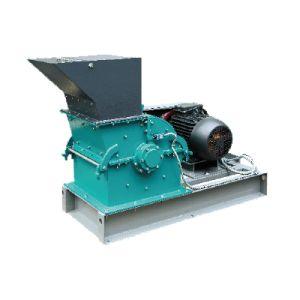
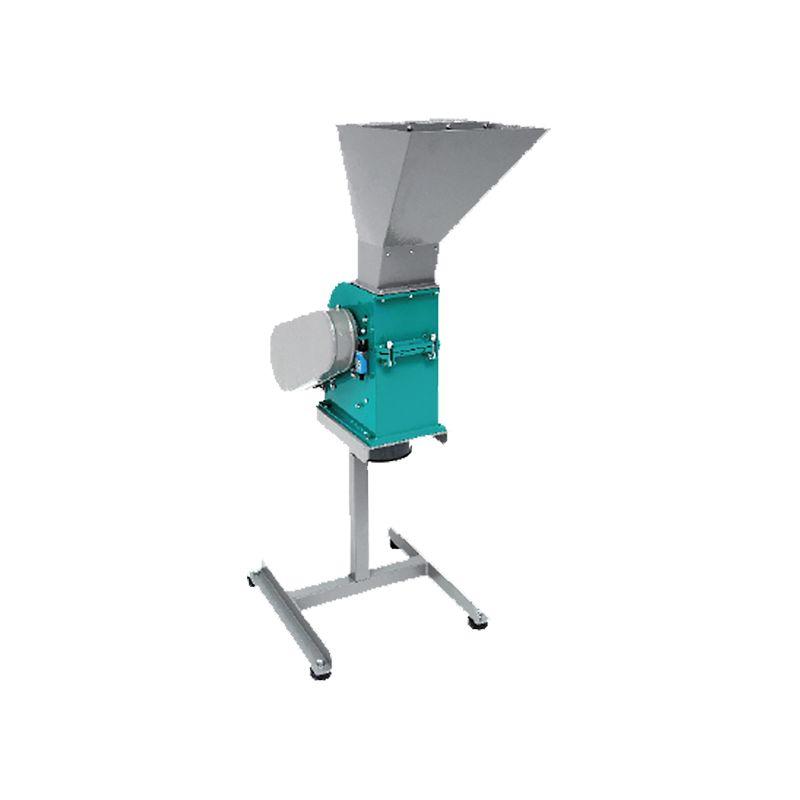
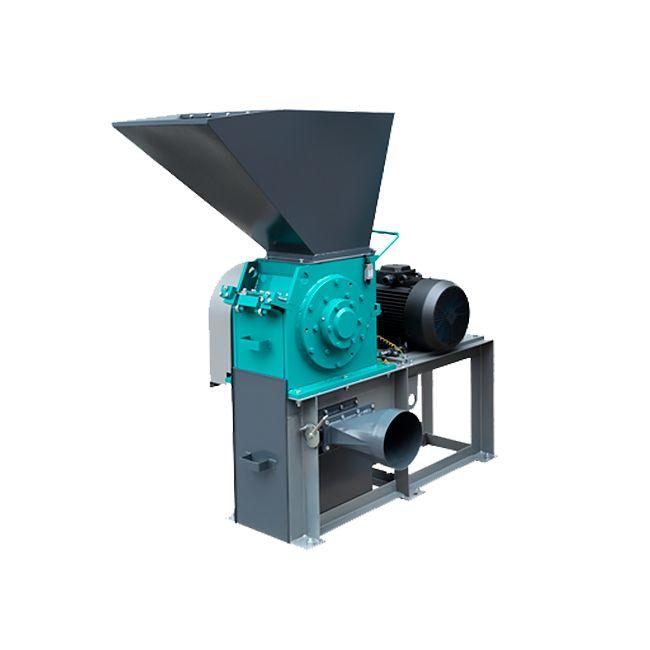
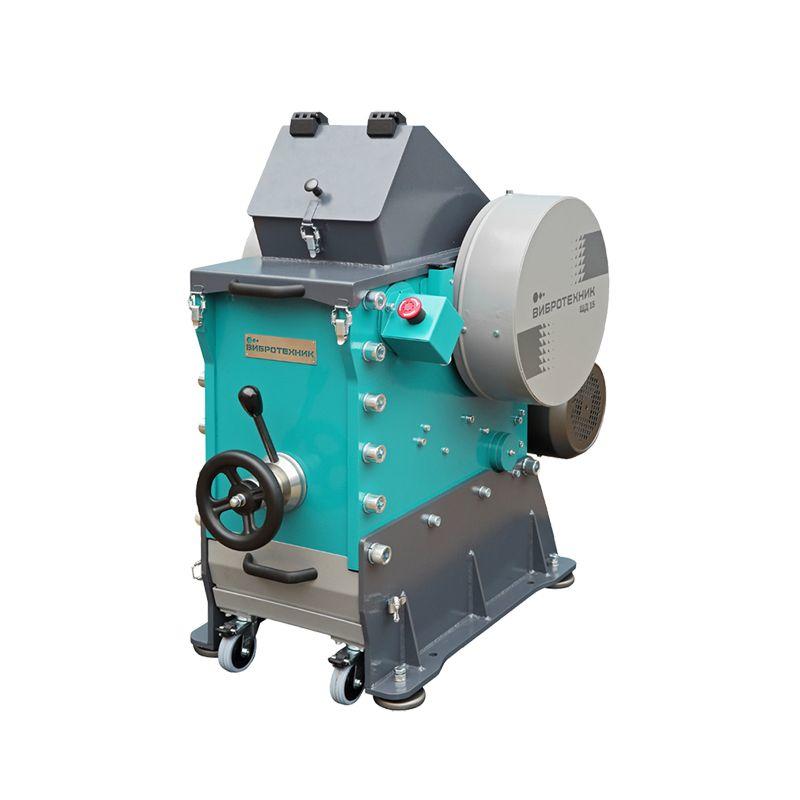
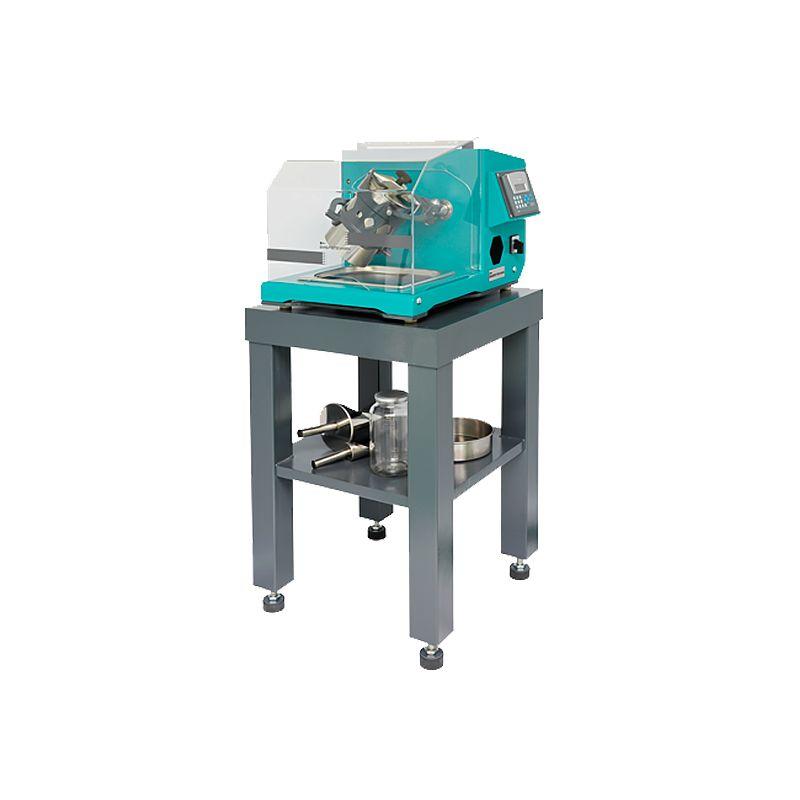
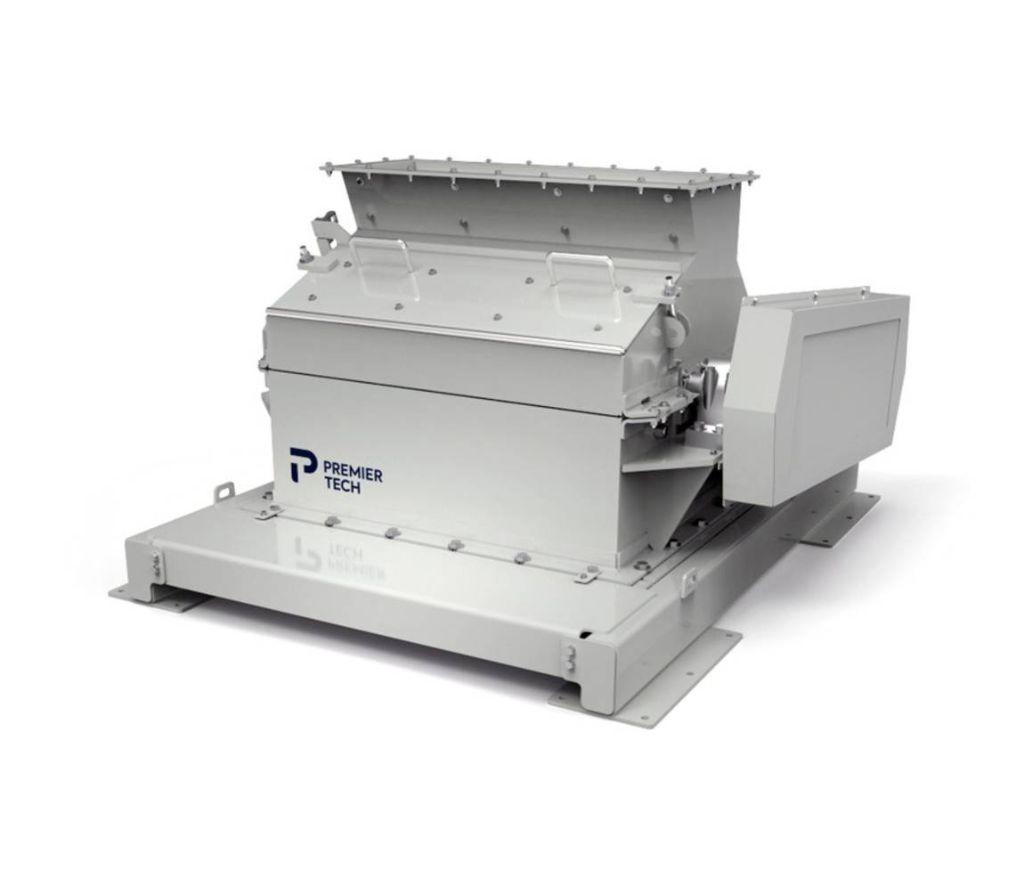
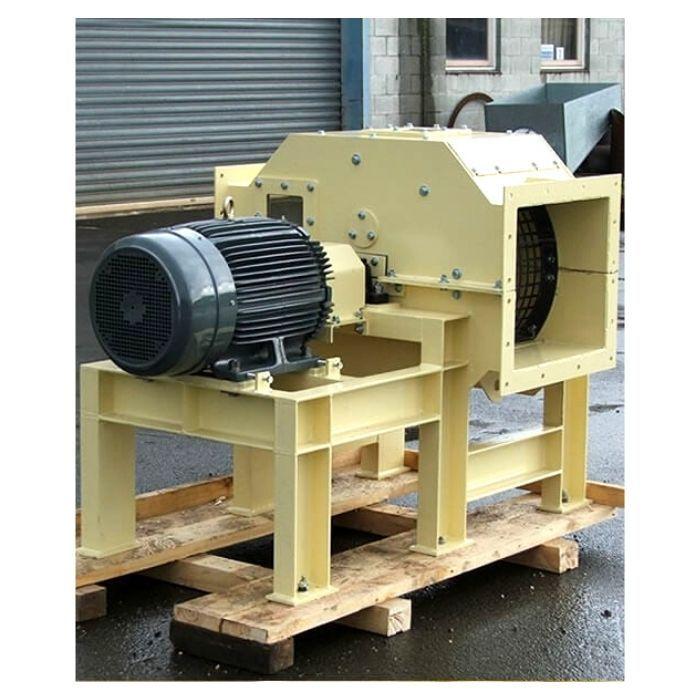
The Hammer mill HM 2?2 is laboratory-class equipment designed to crush small batches of material with output up to 100 kg/hour.
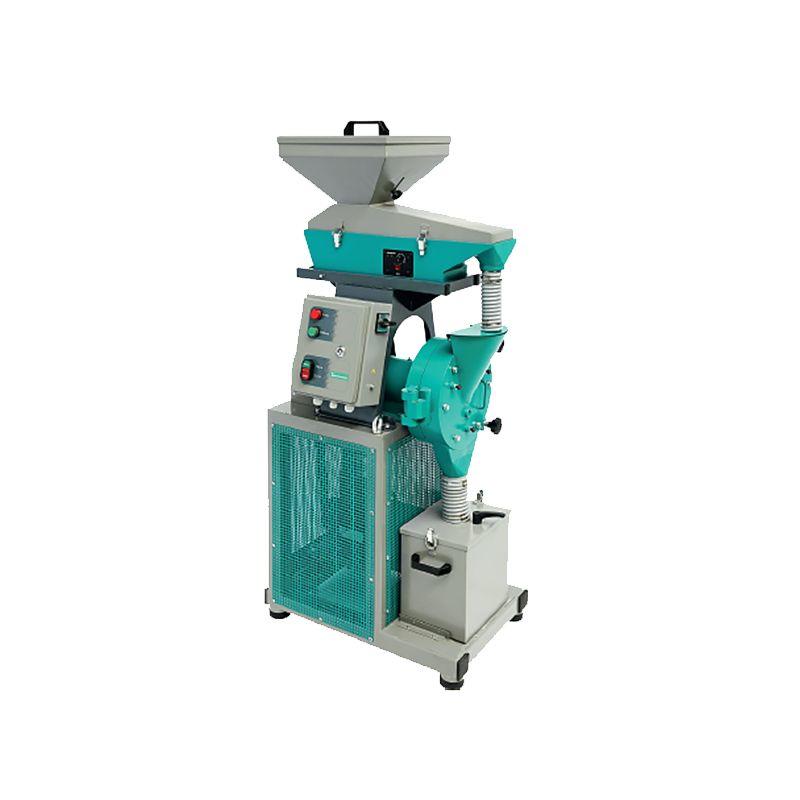
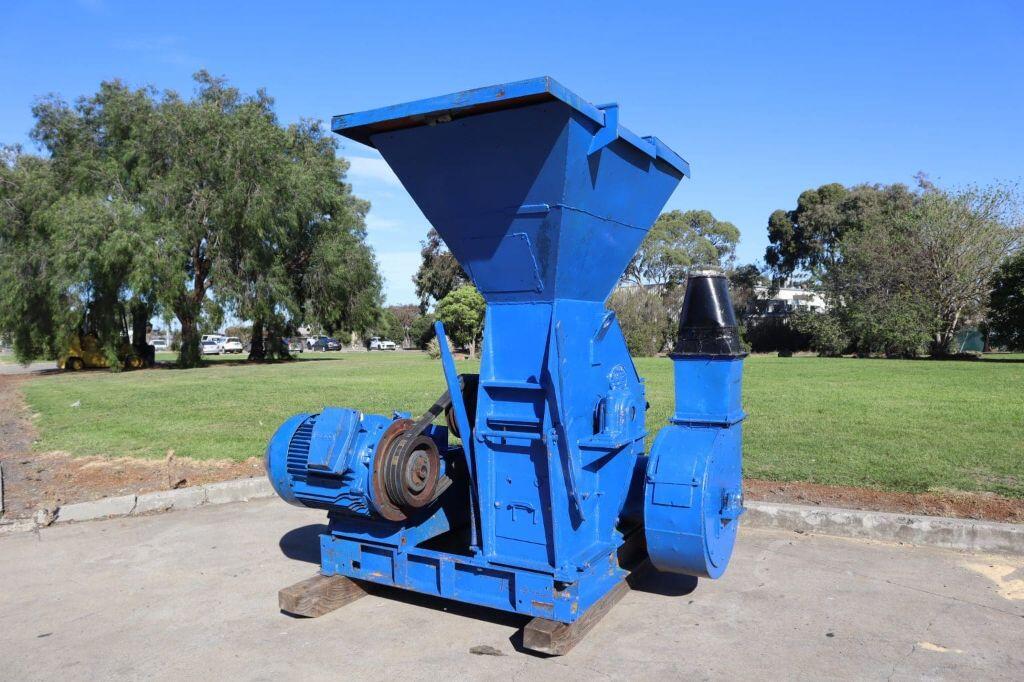
Hammer mills HM 5?2 and HM 5?5 are industrial-class equipment used in busy laboratories or in small and medium-sized production facilities.
The operational principle of a hammer mill is based on impact on material particles.
Material Particles are Broken Down:
- When a hammer falls on them;
- When they impact the liner and walls of the housing;
- When the particles collide with each other.
Advantages
- The ability to obtain various crushed product
grain sizes by:
- – Installing grates with openings of various shapes and sizes from 0.8 mm;
- Selecting the number and shape of the hammers; changing the HM 2?2 rotor rpm;
- Installing a smooth or ribbed liner in the cover of the HM 2?2;
- Free suspension of the hammers on the rotor axes reduces the probability of mill breakage when an unbreakable object falls into the working chamber;
- The size and configuration of the loading funnel have been selected for safe maintenance and to prevent ejection of material particles during operation;
- The hinged bolts on the cover of the HM 2?2 provide quick access to the crushing chamber for inspection
and replacement of hammers and grates, and cleaning
of the chamber;
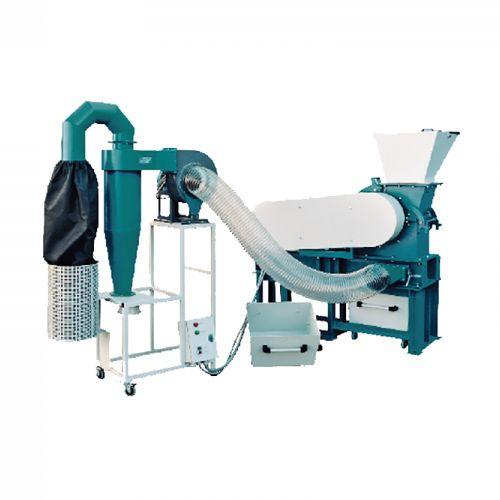
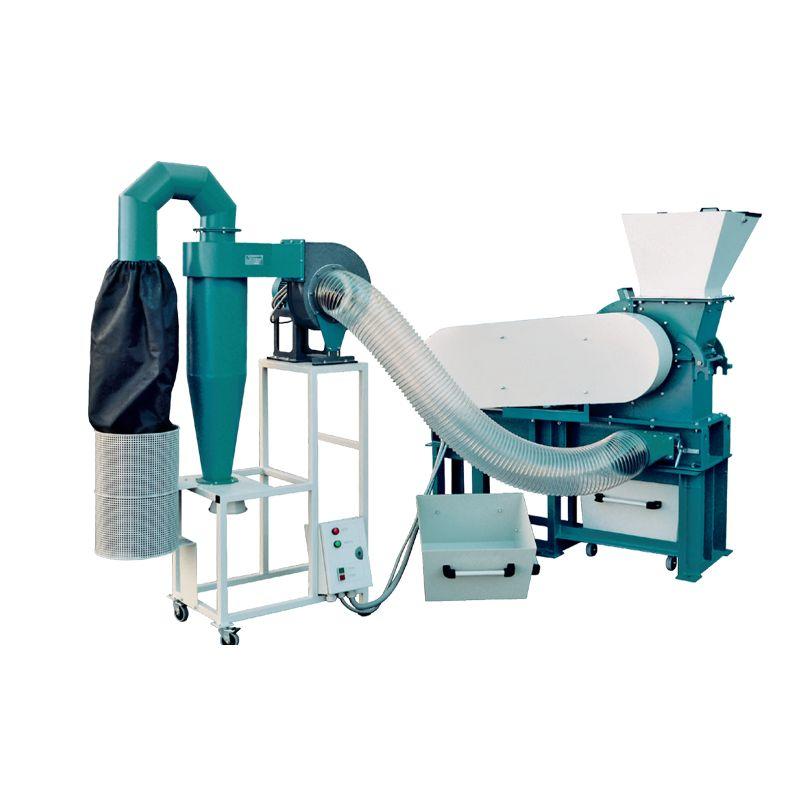
- Ability to connect to the dust collector to:
- Lower the temperature in the crushing chamber
- Lower the content of the dust fraction in the product;
- Separate material into three fractions: sedimented into the crusher receiving container, cyclone and bag filter.
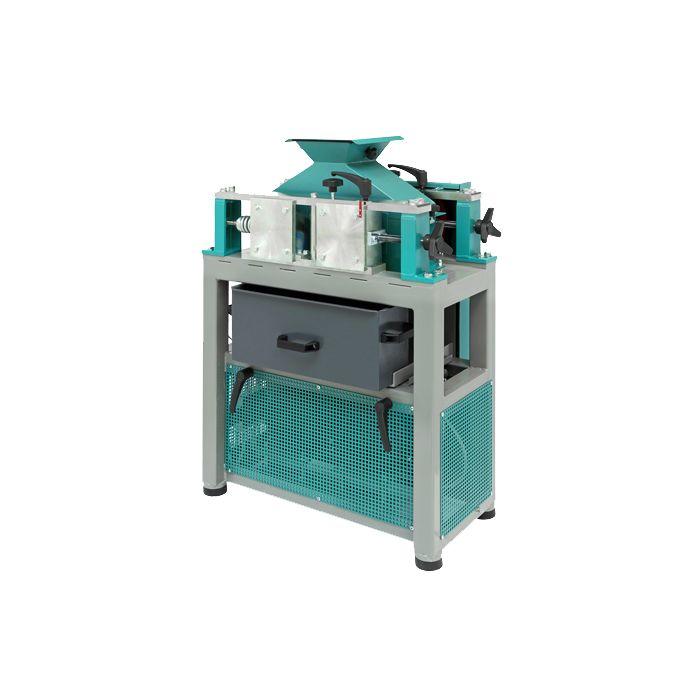
- Equipment of the HM 5?2 and HM 5?5 with a support frame and receiving containers of various volumes depending on the process task.
Applications: Coal, foil, polyester resin, glass, slag, salt, automobile catalyst, shale, electrical circuits, HHD disks, food products.
To contact Mineral Innovative Technologies Group about Dry Milling – Hammer Mills use Get a quote.





 Reach valuable industrial buyers in minutes
 Promote key products & content
 Drive cost effective & measurable saleslearn more