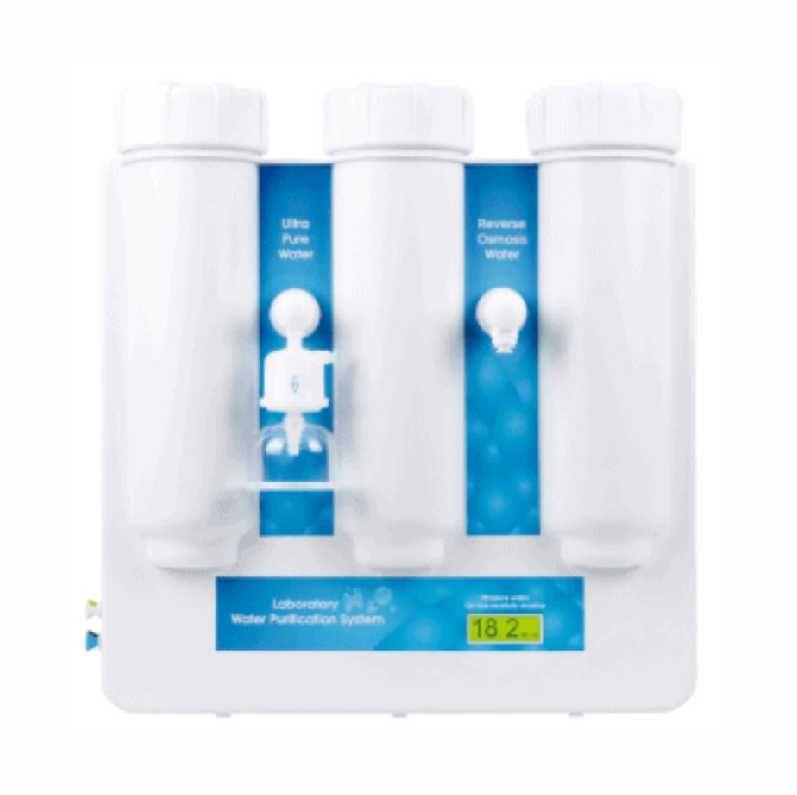
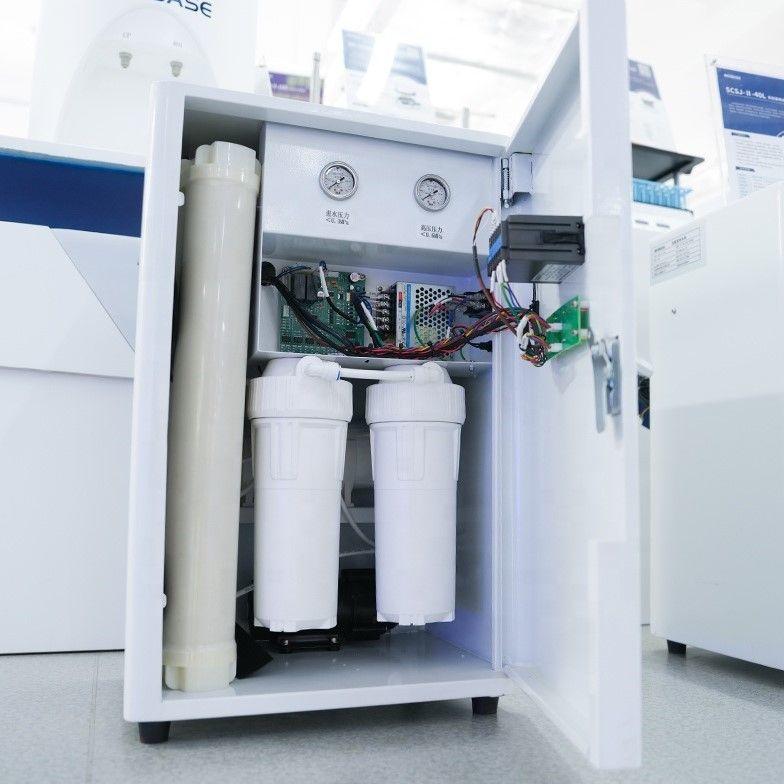
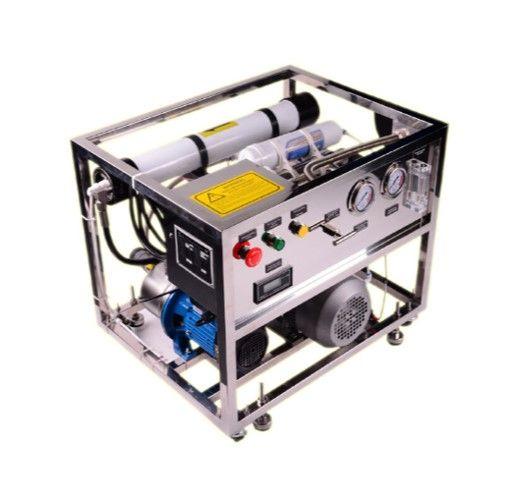
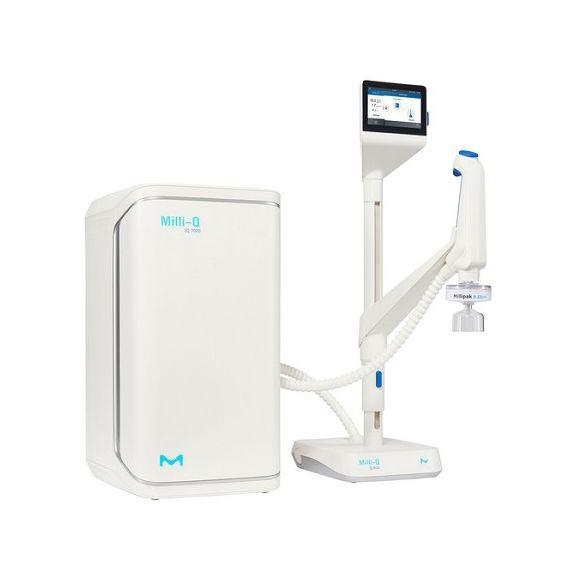
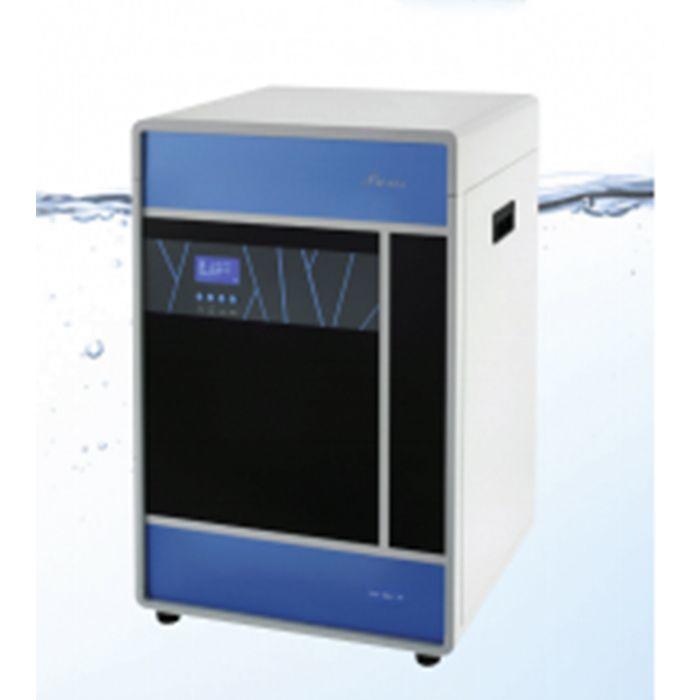
Laboratory Purified Water Systems, Smart Q15/Q30 RO Systems
Applications for this product
- Autoclave
- Humidification
- Glassware washing/rinsing
- General lab equipment (water baths, incubators, etc.)
- Feed water to Type 1 systems
- Media prep
- Buffer prep
- Chemical and biochemical reagent prep
Why choose this product
- Small and compact
- Easy to use
- Easy to service
Specifications of this product
- Model: Smart-(Q15/Q15UT), Smart-(Q30/Q30UT)
- Output Max (25?)*: 15/30 liters per hour
- Flow Rate Max: 2 liters per minute with pressure tankIon rejection rate
- Ion rejection rate: 96%-99% (new RO membrane)
- Organic rejection rate: >99%, when MW>200 Dalton
- Particles and bacteria rejection rate: >99%
- Feed water requirements: Tap water, temperature:5-45?,pressure:1.0-4.0Kgf/cm2
- Dimension and weight: Length×Width×Height:410×220×420mm / Weight: about 18Kg
- Electrical requirements: AC110-240V, 50/60Hz
- Power: 72W
- Standard configuration: Main body (Including 1 set of cartridge)+15 liters pressure tank+ TDS/conductivity test pen
Laboratory Purified Water Systems
Laboratory purified water systems are designed to provide high-quality water for use in various laboratory applications. These systems offer several benefits, including:
Consistent water quality: Laboratory purified water systems are designed to produce consistent water quality, ensuring reliable and accurate results in laboratory experiments and tests. These systems remove impurities and contaminants from the water, producing water that meets or exceeds industry standards for laboratory-grade water.
Increased safety: Using laboratory purified water reduces the risk of contamination and ensures that experiments and tests are performed in a safe and controlled environment. High-quality water is essential for preventing interference with chemical reactions or other procedures, which can compromise safety and affect results.
Reduced maintenance costs: Laboratory purified water systems require less maintenance compared to other water purification systems. These systems are designed to be durable, reliable, and long-lasting, reducing the need for frequent repairs and replacements.
Cost-effective: While laboratory purified water systems require an initial investment, they are a cost-effective solution in the long run. They reduce the need for purchasing bottled water or using other types of water purification systems that require frequent maintenance and replacement.
Versatile: Laboratory purified water systems can be used in a wide range of laboratory applications, including research, testing, and analysis. These systems can produce water of different levels of purity, depending on the specific requirements of the application.
Environmental benefits: Laboratory purified water systems are an environmentally friendly solution, as they reduce the amount of plastic waste generated by purchasing bottled water. This makes them a sustainable and eco-friendly option for laboratories that are committed to reducing their environmental impact.
In conclusion, laboratory purified water systems offer numerous benefits, including consistent water quality, increased safety, reduced maintenance costs, cost-effectiveness, versatility, and environmental sustainability. These systems provide high-quality water that meets or exceeds industry standards, ensuring reliable and accurate results in laboratory experiments and tests. If you are looking for a water purification solution that meets your laboratory’s specific requirements, a laboratory purified water system may be the ideal choice for you.



 Reach valuable industrial buyers in minutes
 Promote key products & content
 Drive cost effective & measurable sales