


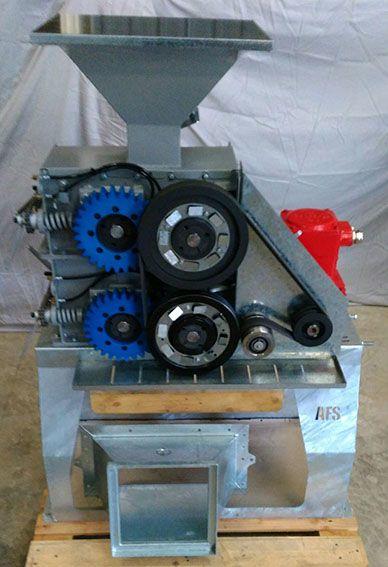
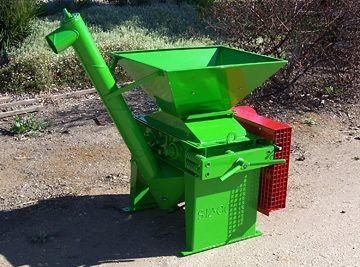
Roller Mills | Milling & Crushing Systems
Supplier: AFSystems

More from this supplier
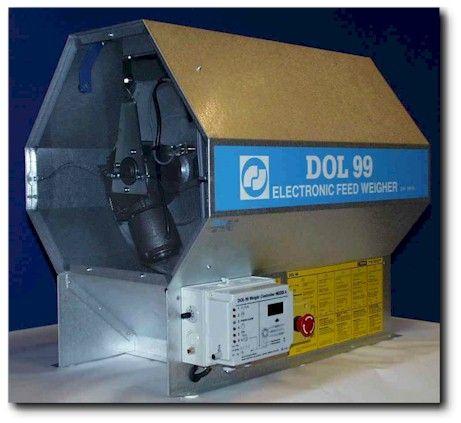
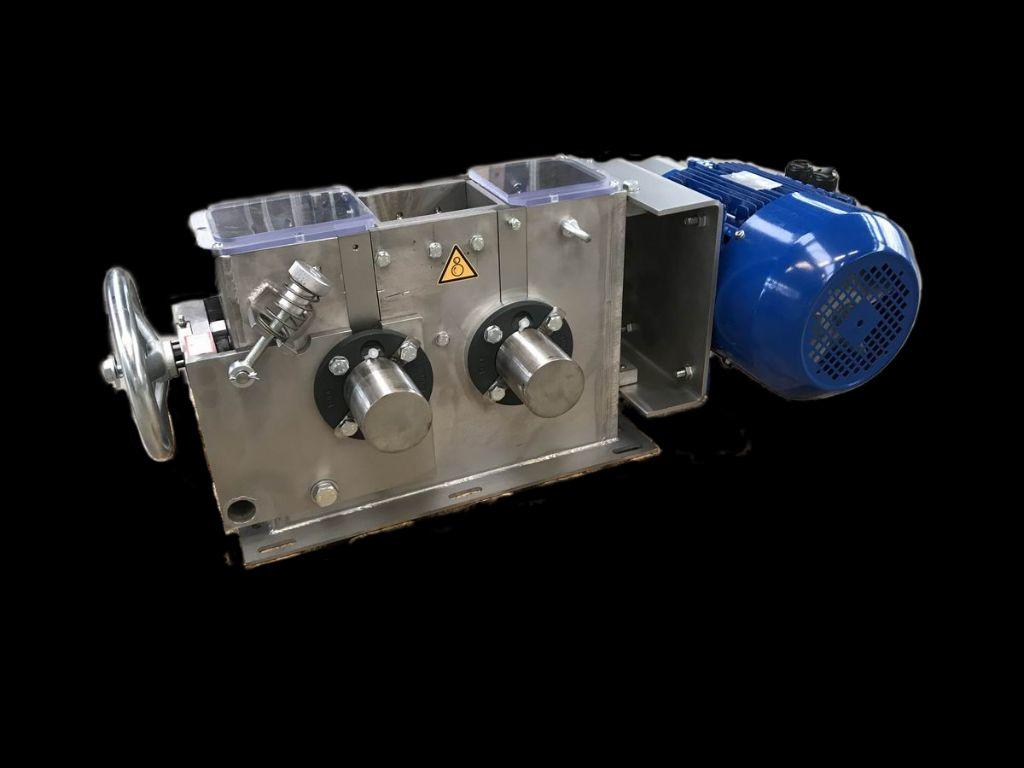
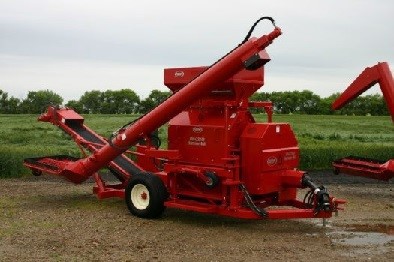
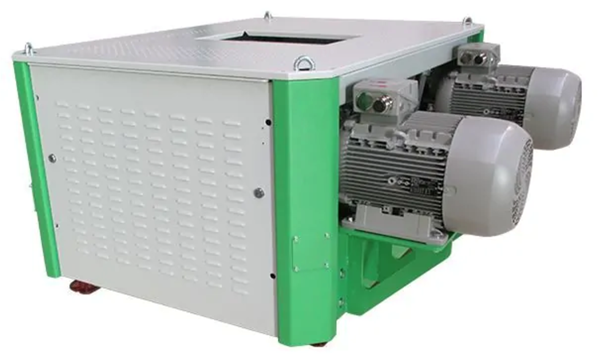
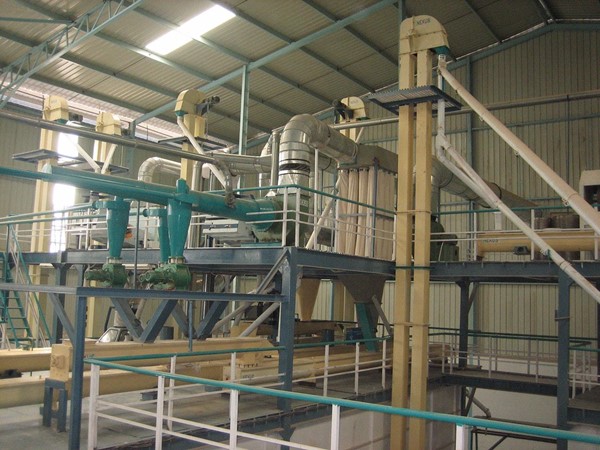
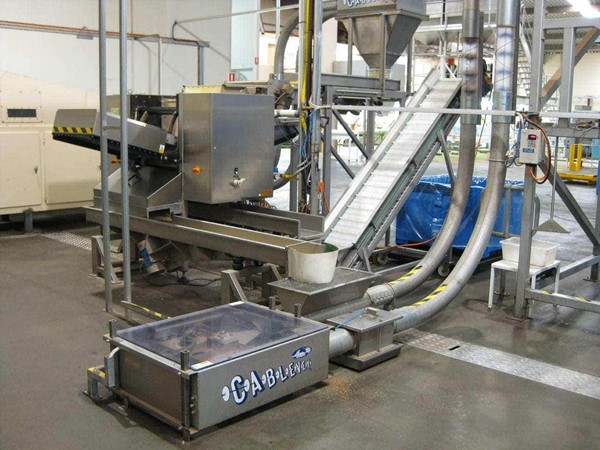
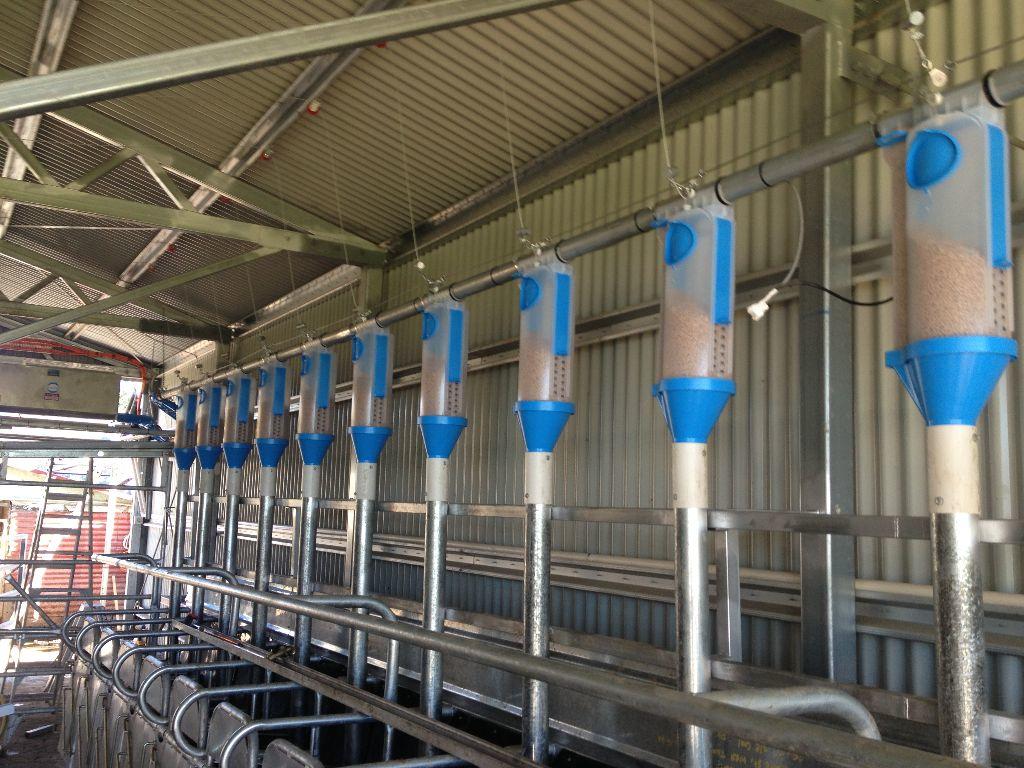

Bucket Elevators | From 6-14m
Process Automation Sensors | DOL Sensors
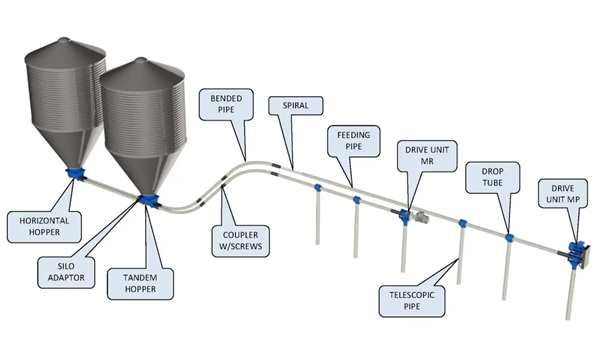
Flexi Auger Conveyors
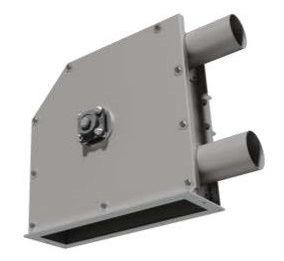
Chain & Disc Conveyors | Falcon
Disc Mills | Milling & Crushing Systems
Hammer Mills | Milling & Crushing Systems
Crushing Systems
Conveying Systems
Turnkey Projects
Installation Solutions
Product Management Solutions
You might also like these
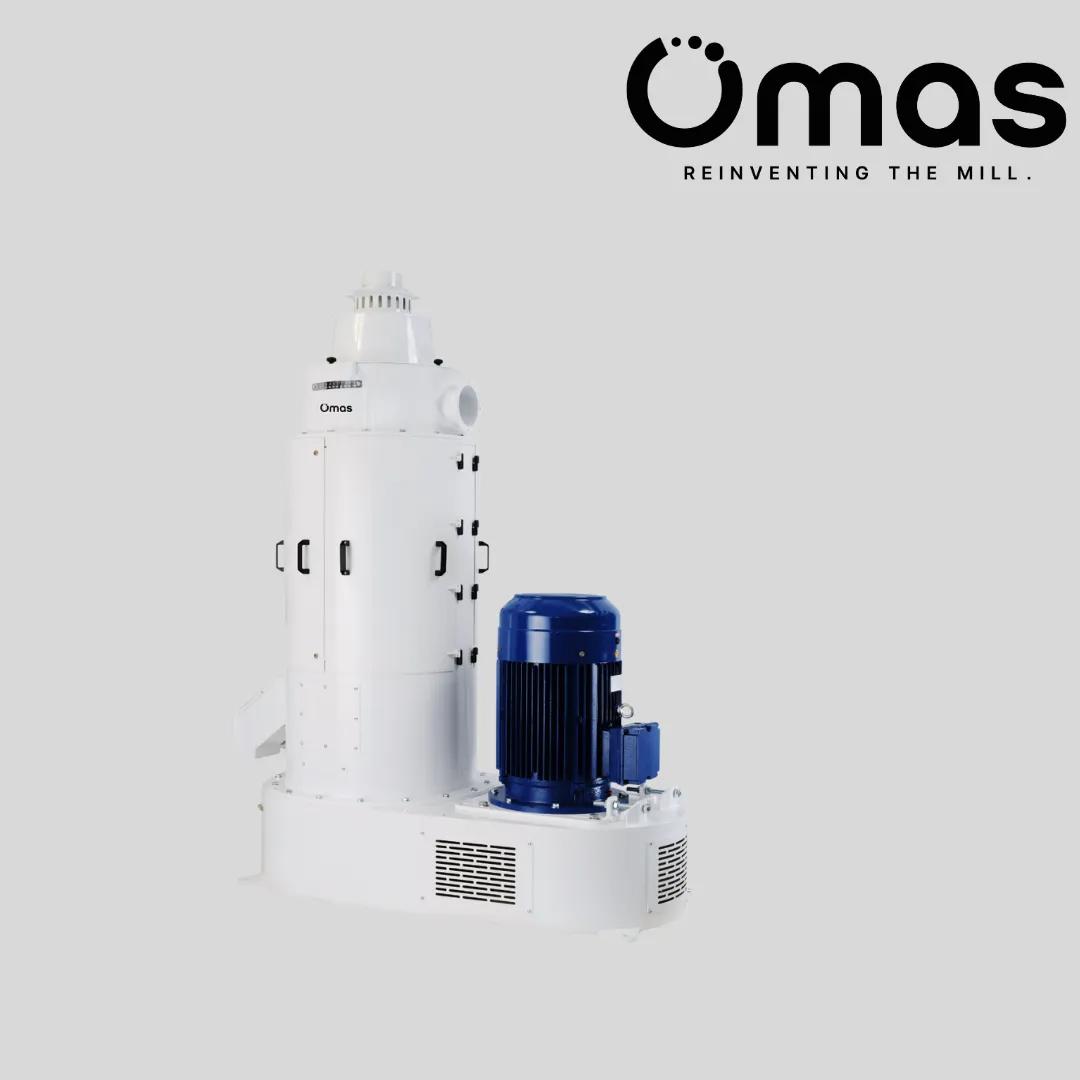
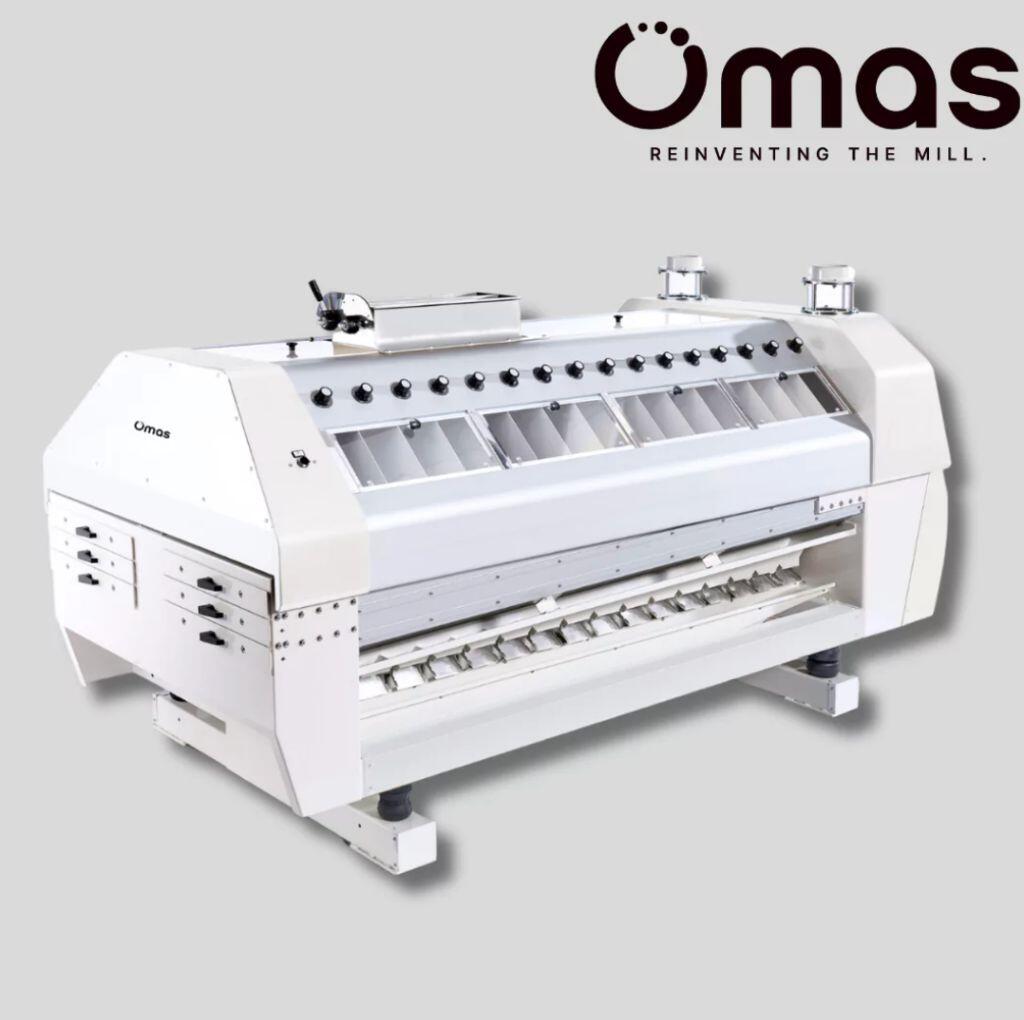
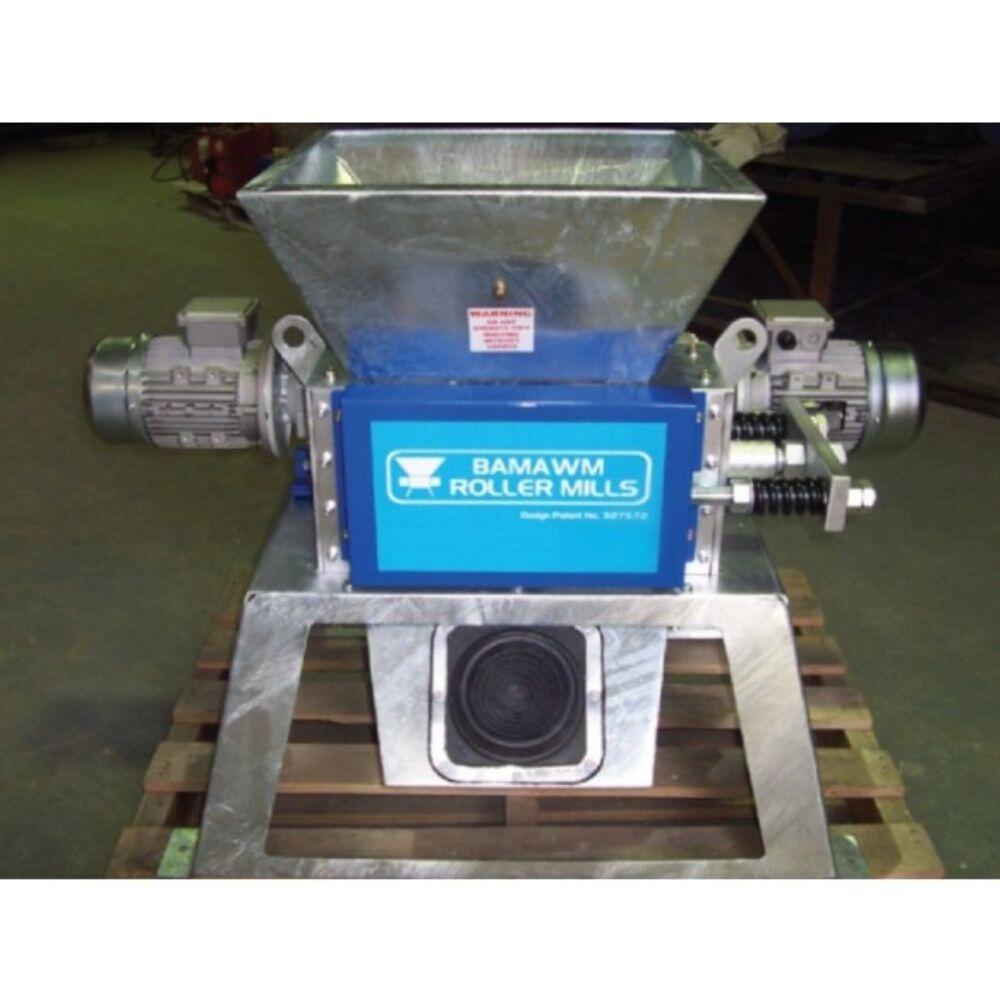
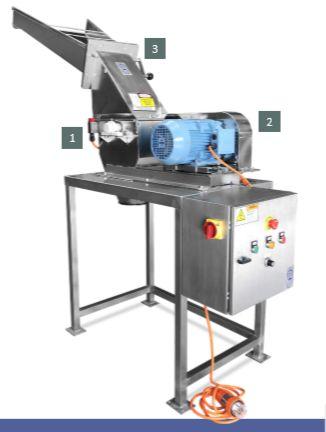
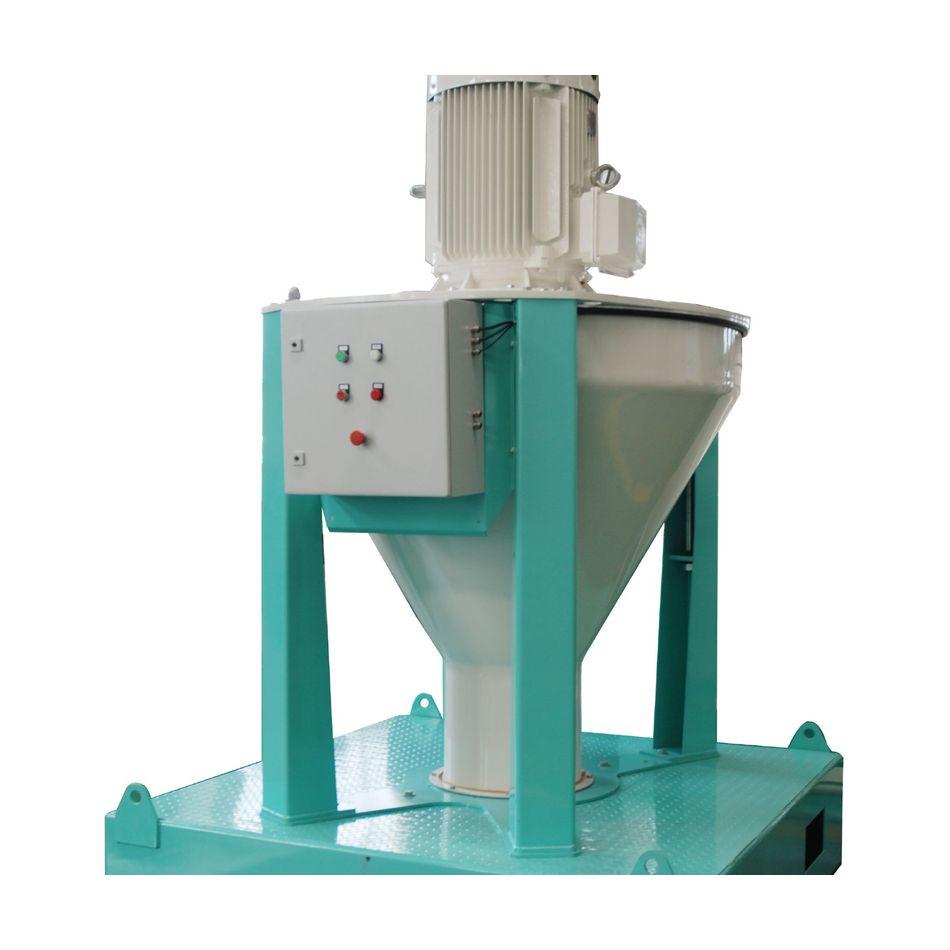
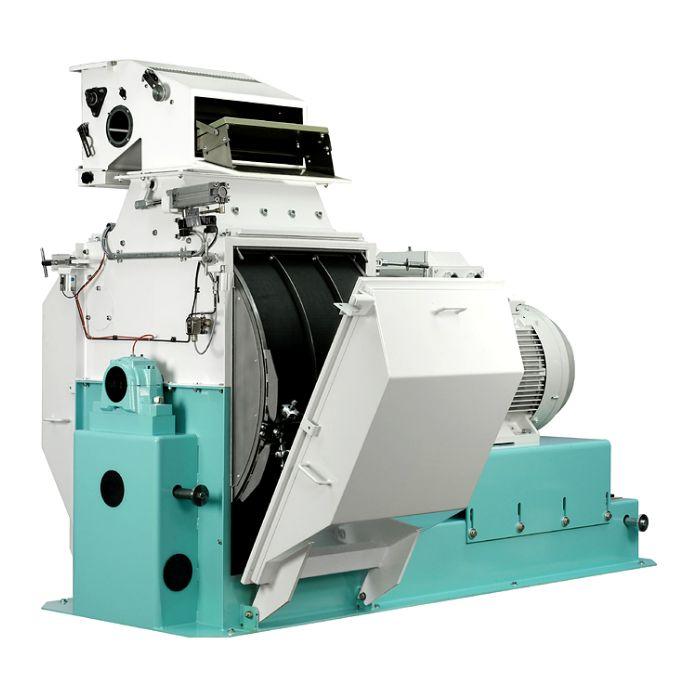
Cimabue Impact Detacher
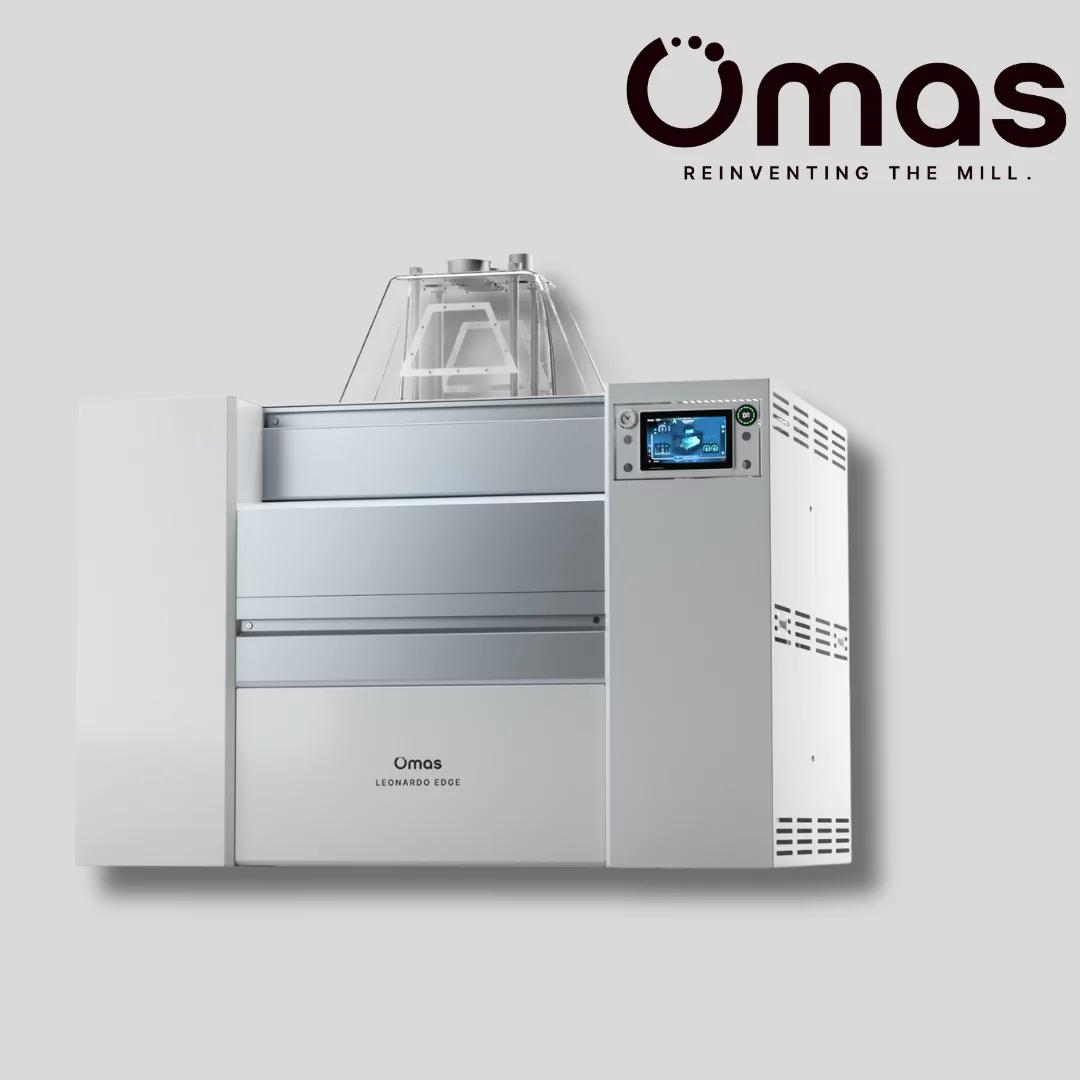
Leonardo Edge Roller Mill
Dante Extraction Booster Vertical Debranner
Michelangelo Semolina Purifier
3 Phase Electric 10 Inch Grain Roller Mill - 3PH10RM
Hammer Mill | C Series | Grain Milling Machine
Heavy Duty Hammer Mill
Grain Mill
Grain Mill | Nano
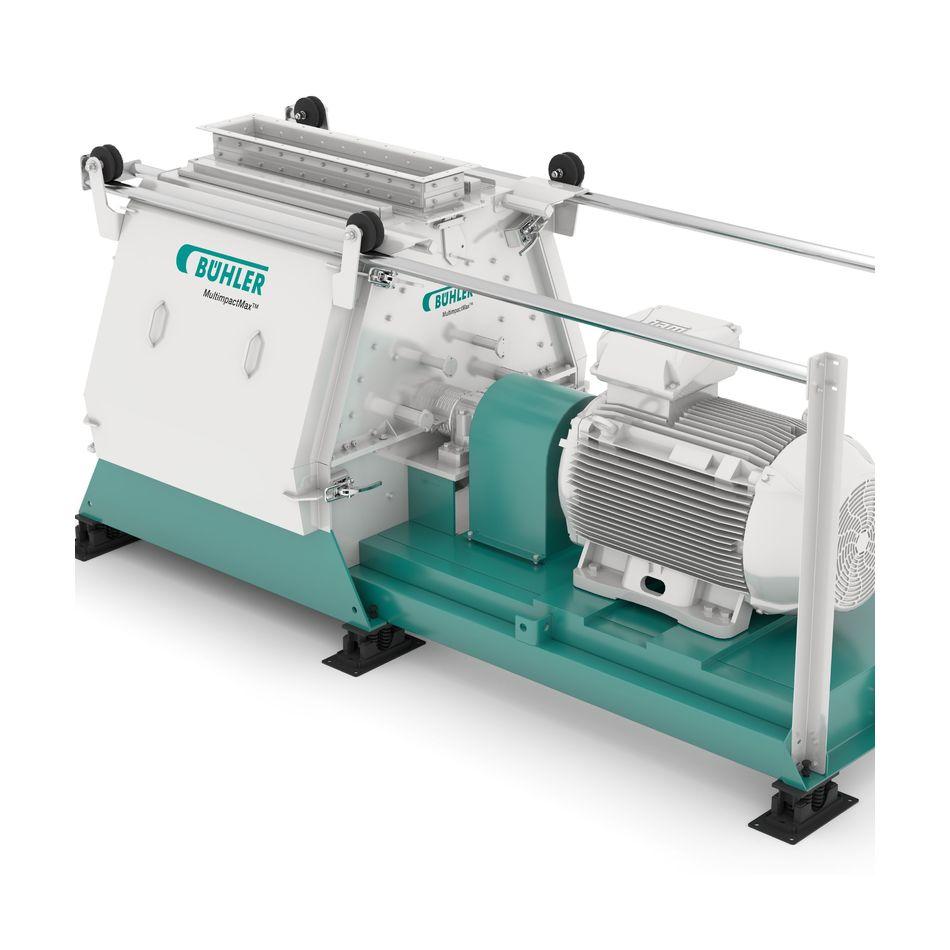
MultimpactMax ™ Grain Hammer Mill
Vertica™ Grain Hammer Mill
Horizontal Hammer Mills | 57 t/h

Are you an Industrial Grain Milling Machine supplier? Reach valuable industrial buyers in minutes
 Promote key products & content
 Drive cost effective & measurable saleslearn more
Reach valuable industrial buyers in minutesPromote key products & contentDrive cost effective & measurable salesContact AFSystems