


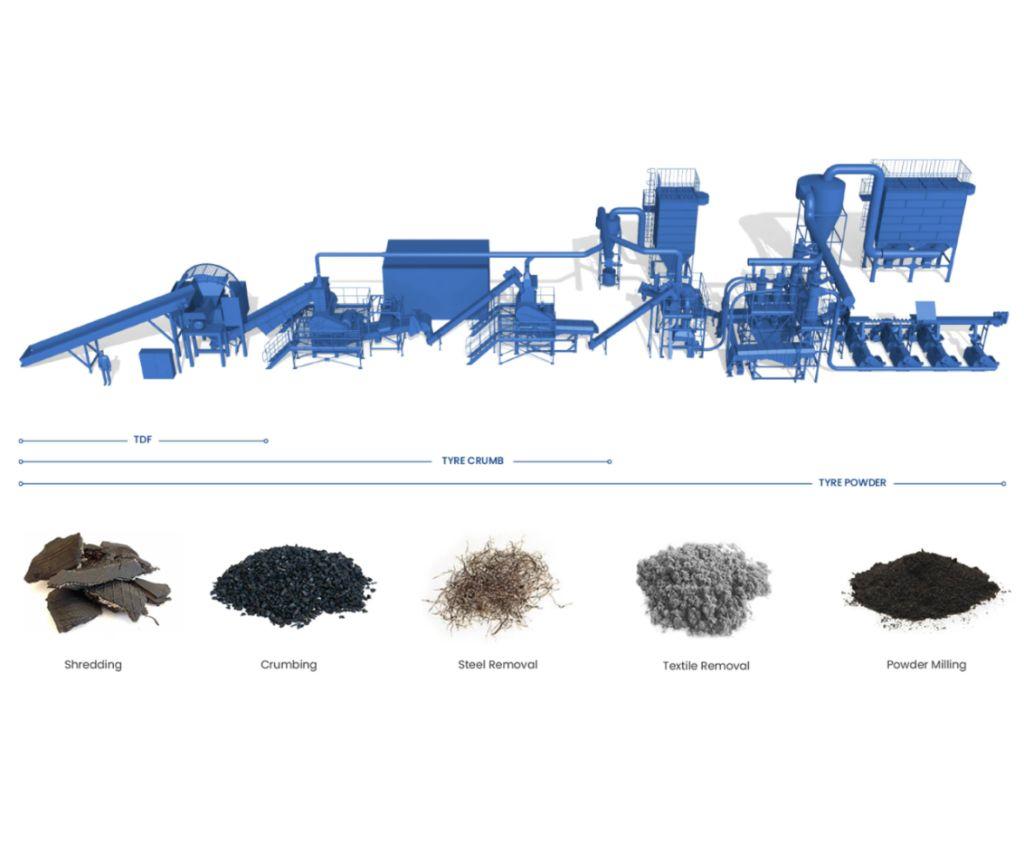
Tyre Recycling Systems
Supplier: Waste Initiatives


More from this supplier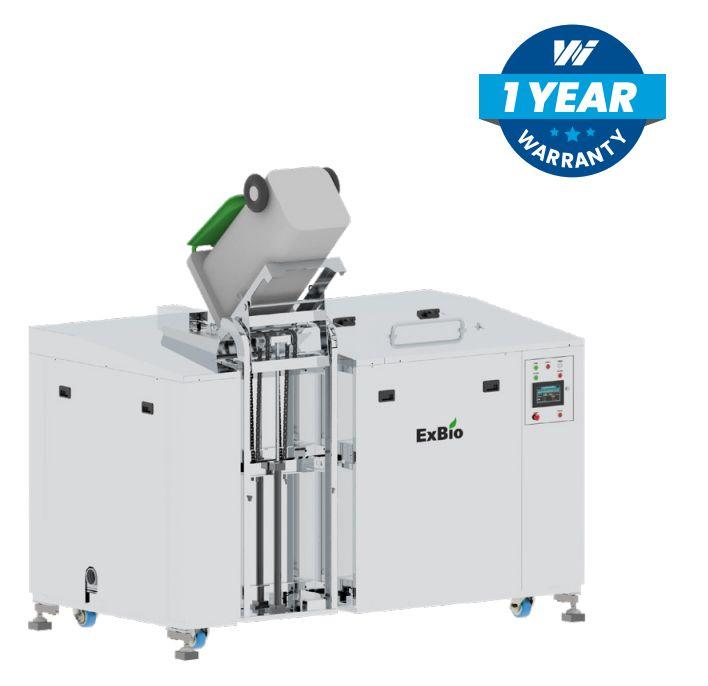
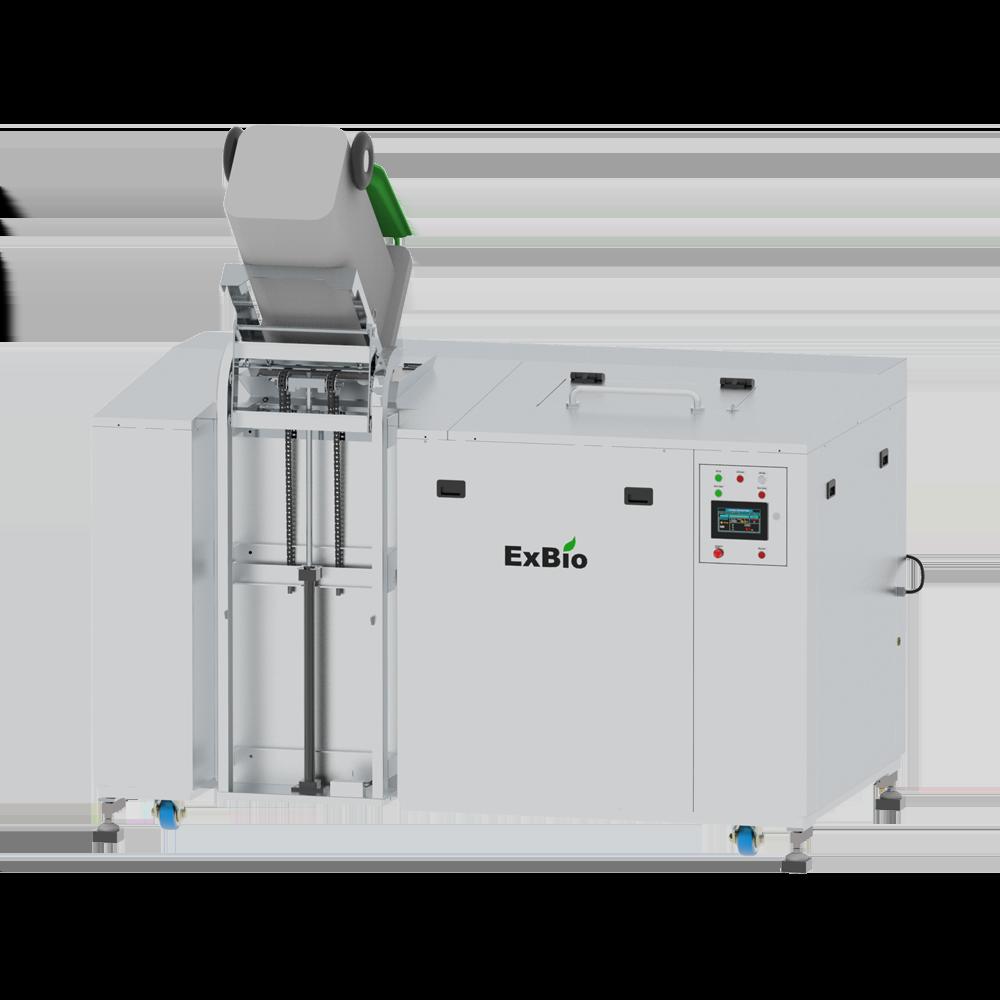
Food Digester EX Series | Large Capacity
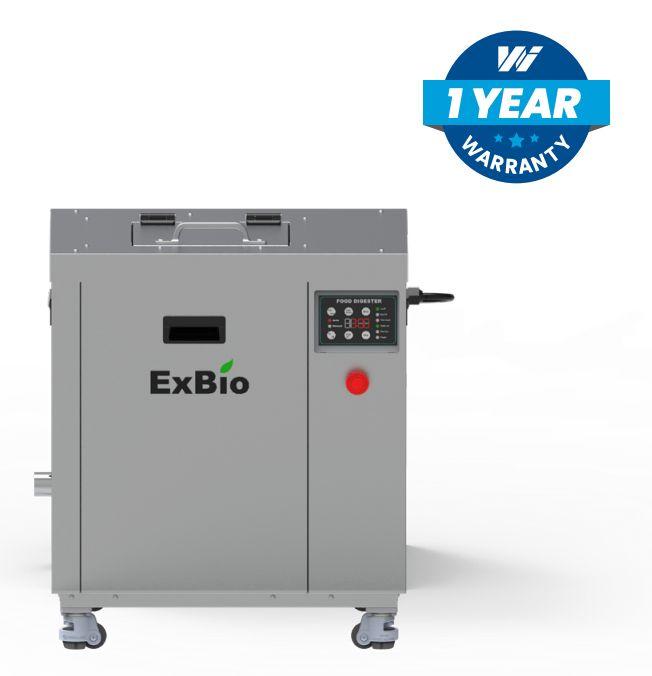
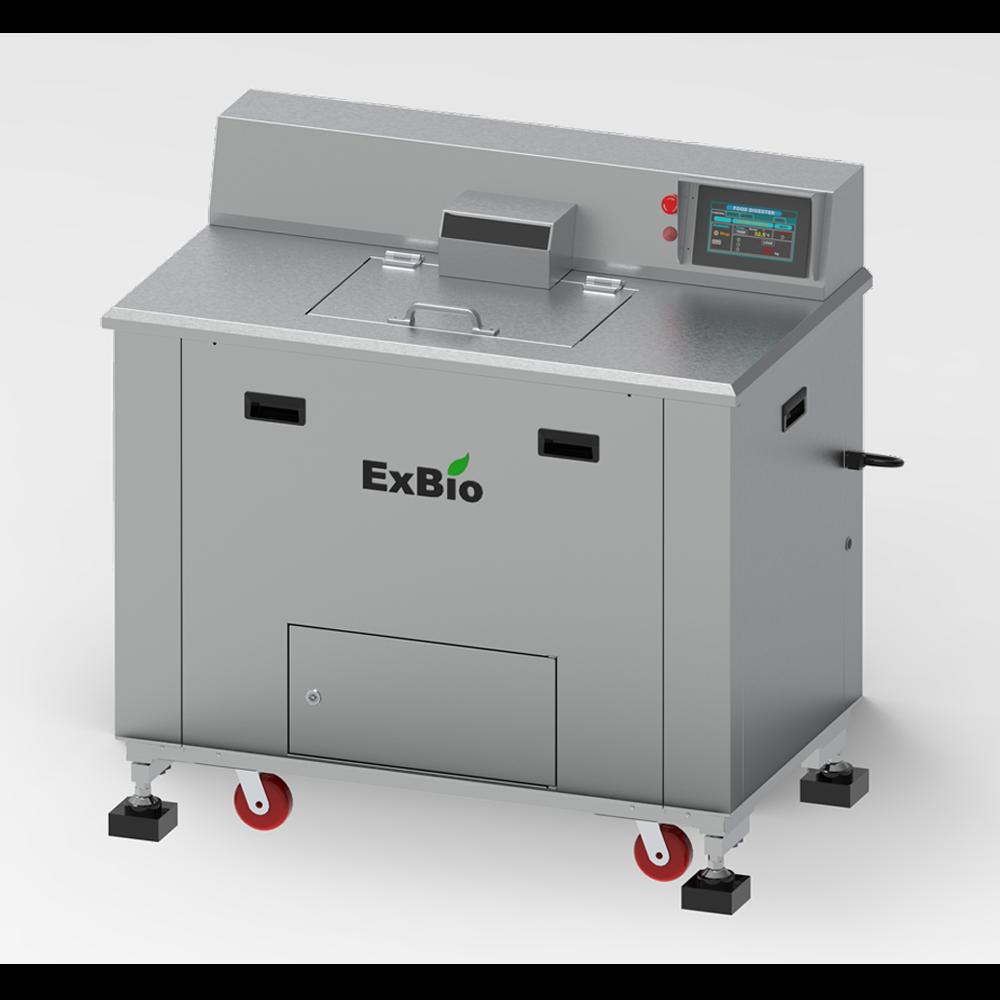
Food Waste Digester EX Series | Low to Medium Capacity
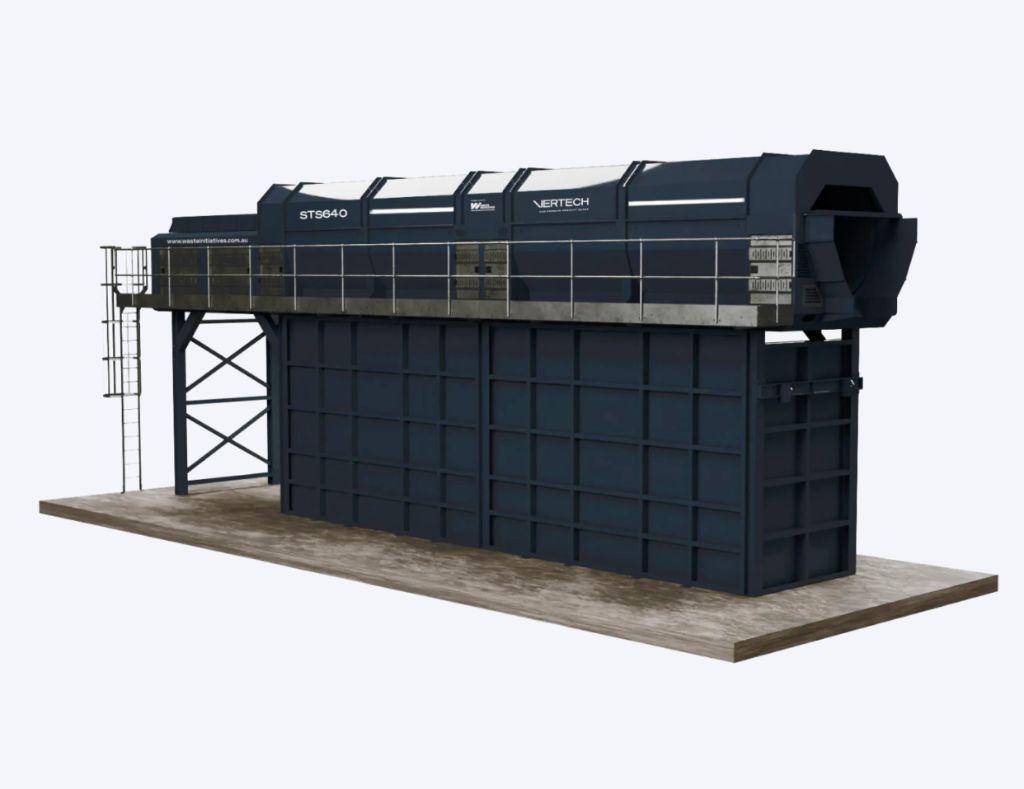
STS640 Trommel Screen | Static Waste Screening System
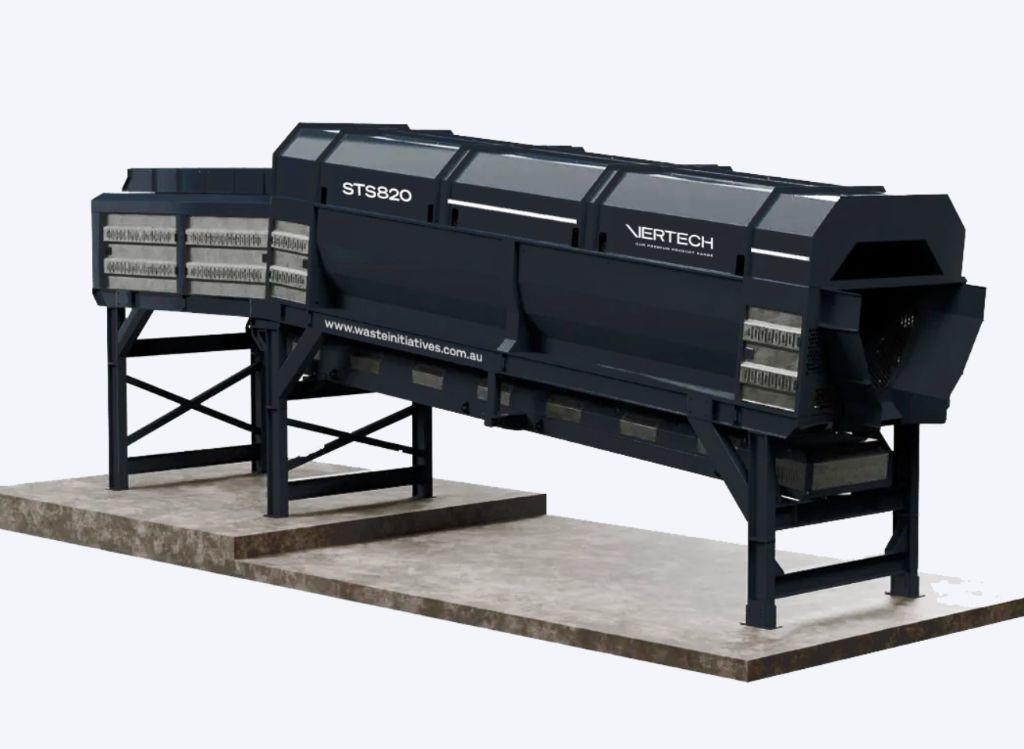
STS820 Static Trommel Screen
TS516 Mobile Trommel | Tracked mobile trommel screening unit
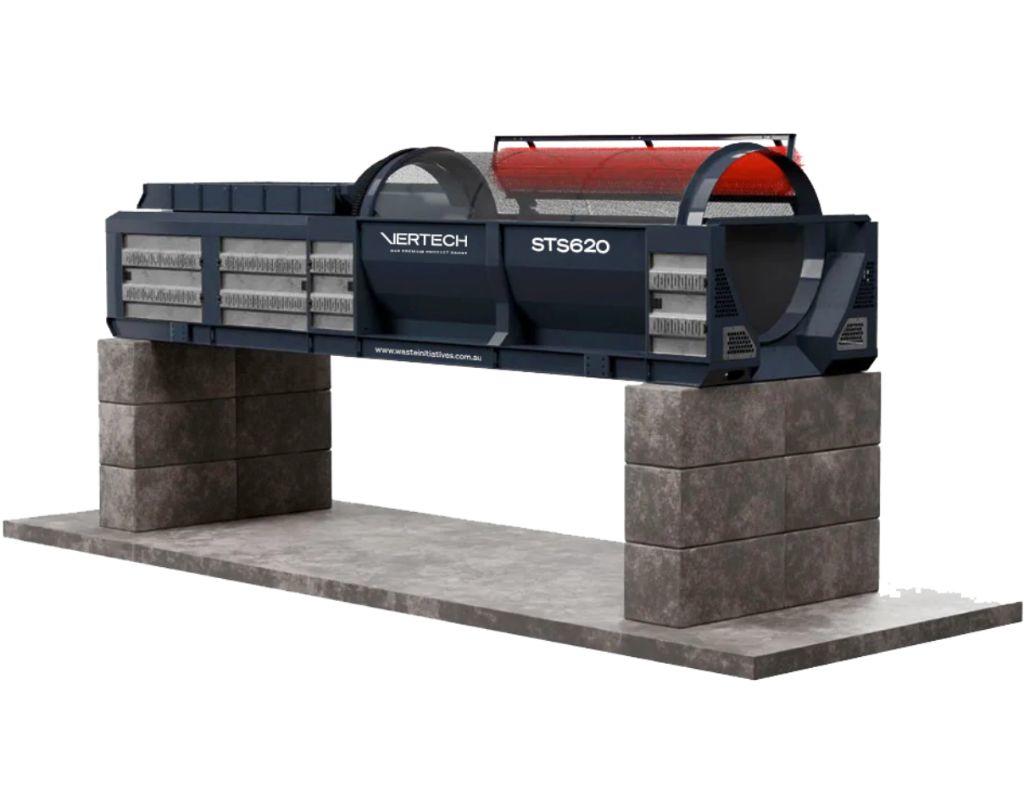
STS620 Static Trommel Screen
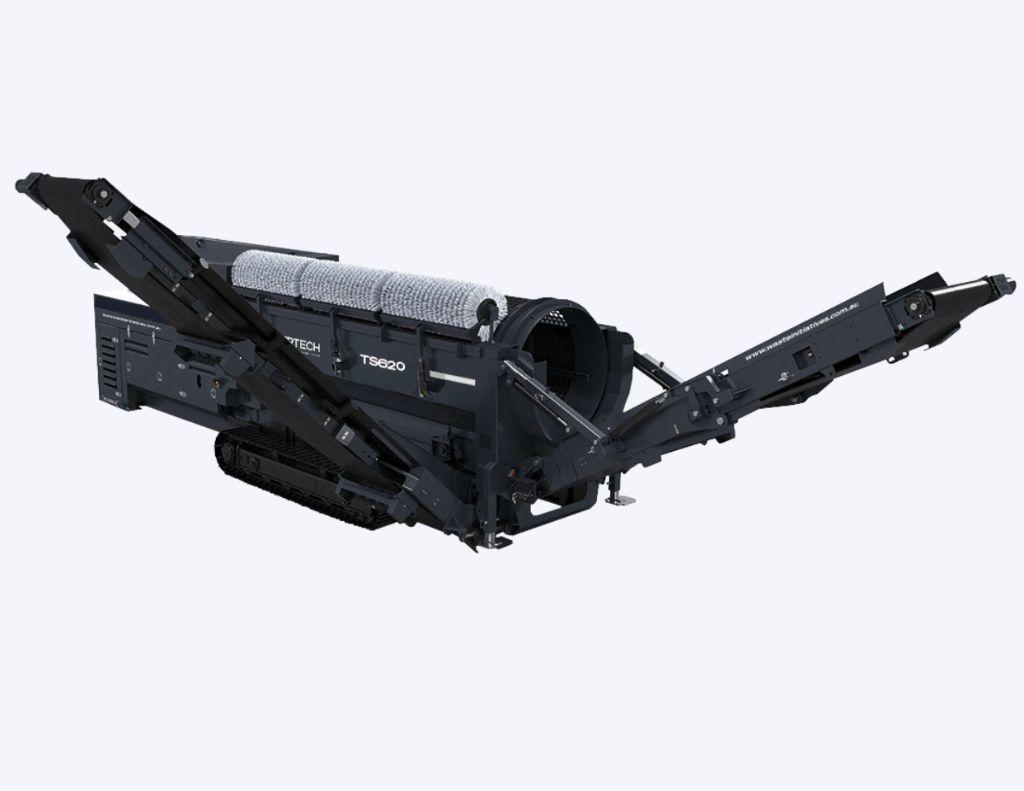
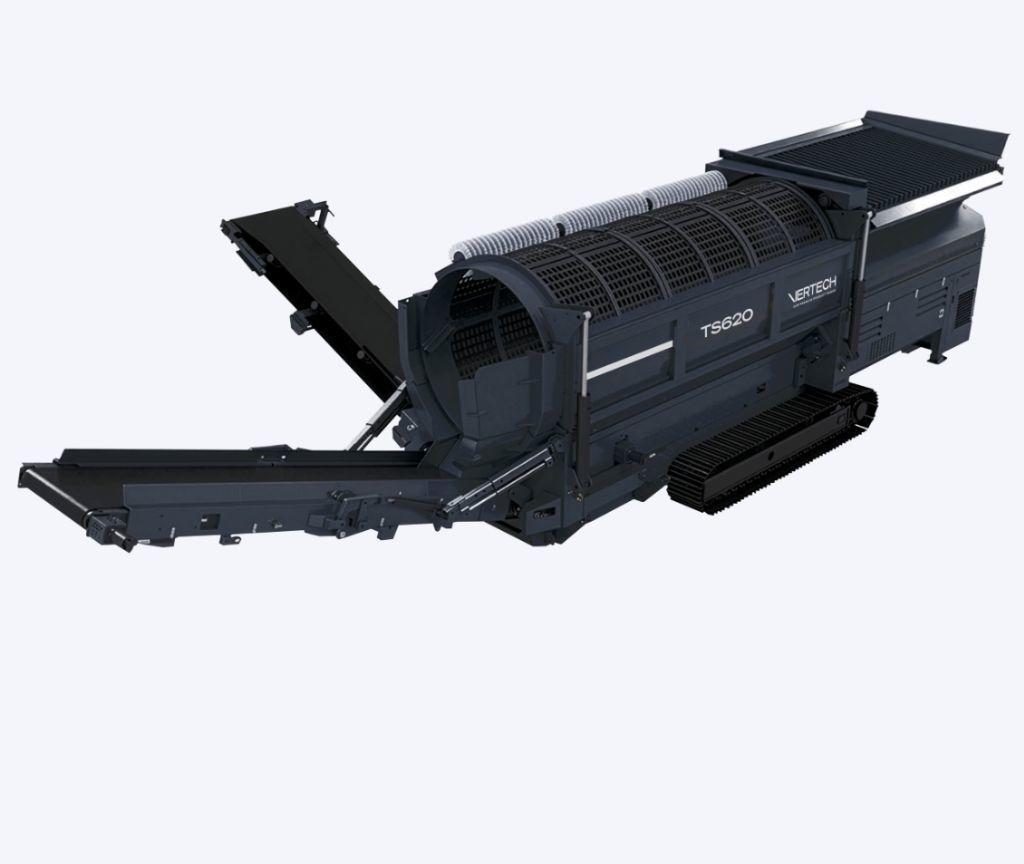
TS620 Trommel Screen | Mobile Trommel Screening Plant
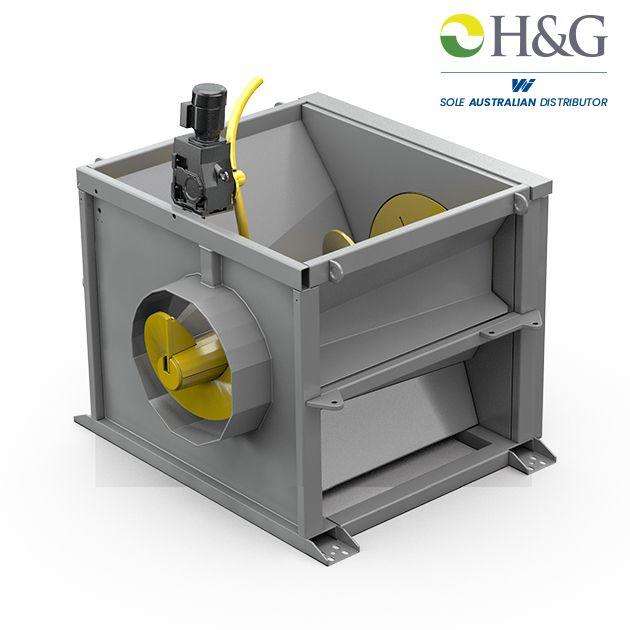
Single Auger Compactor
Food Digesters Low to Medium Capacity
Food Digester Large Capacity
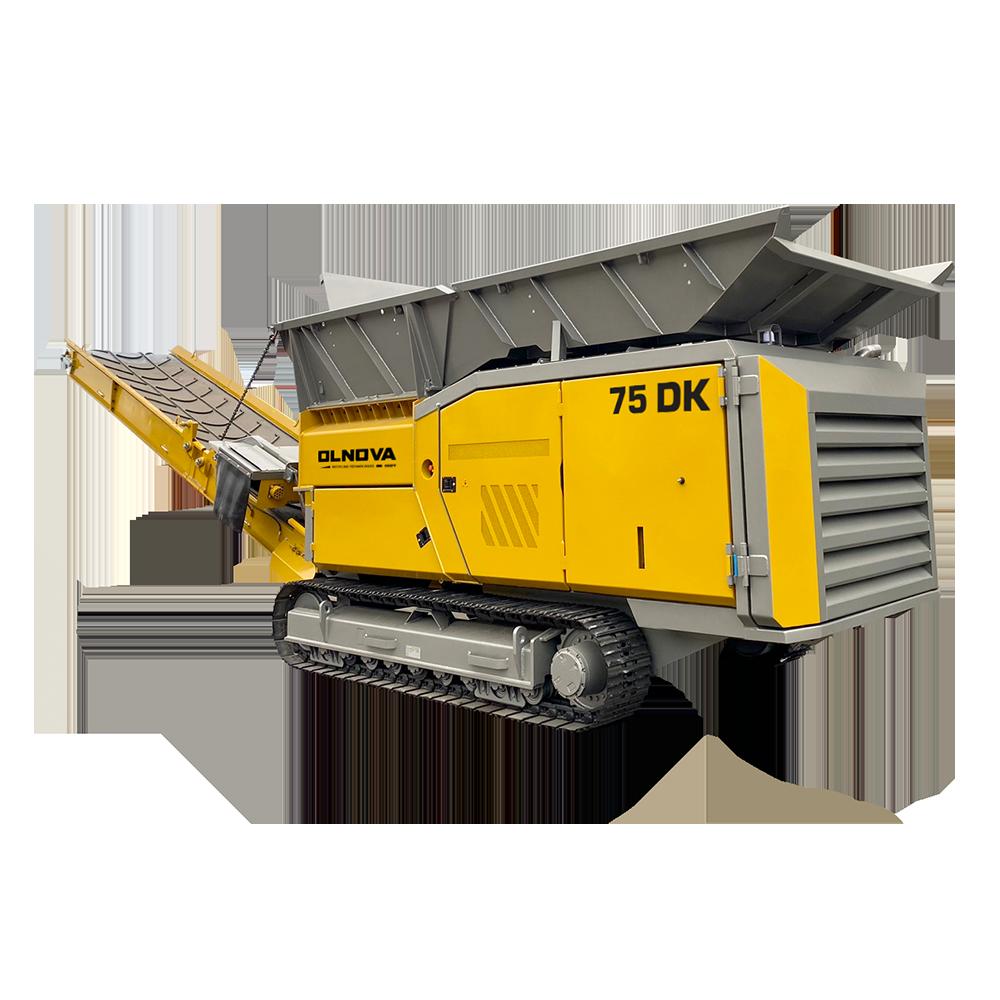
Mobile Shredder | Olnova 75 Series
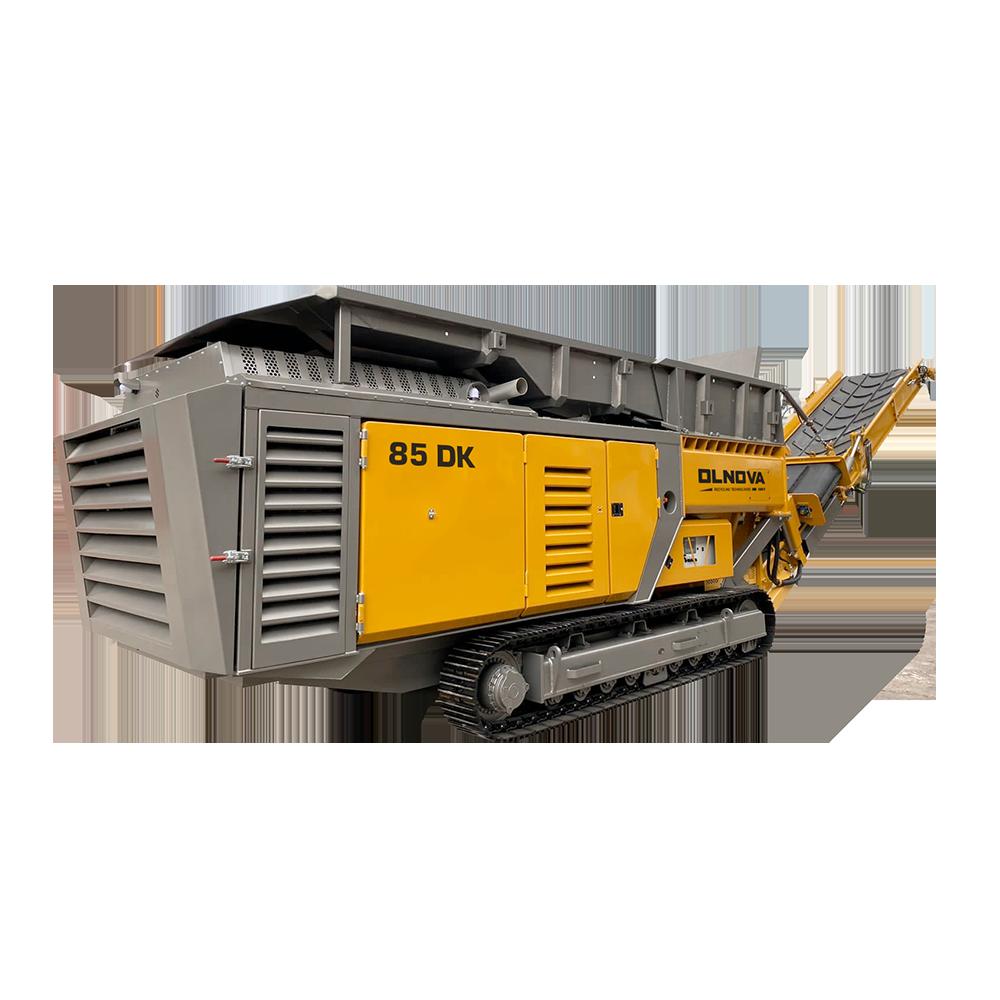
Mobile Shredder | Olnova 85 Series
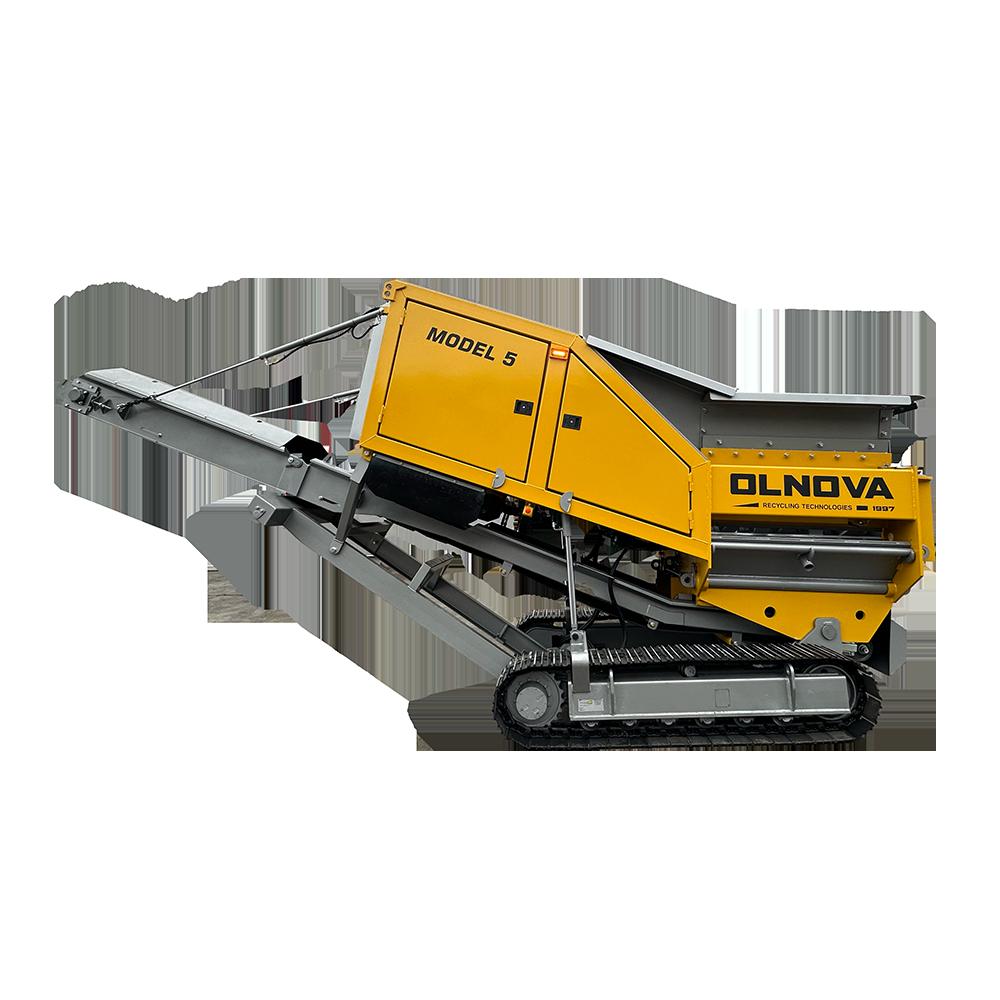
Mobile Shredder | Olnova Model 5
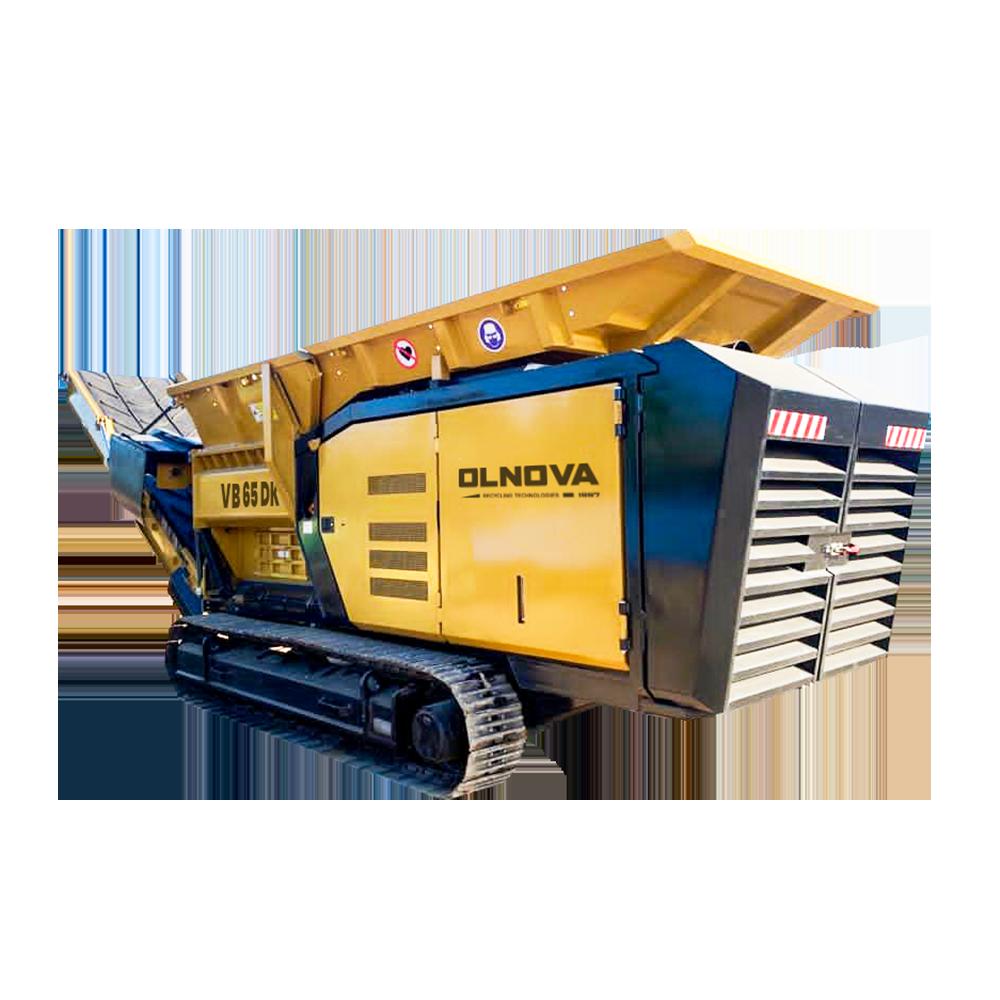
Mobile Shredder | Olnova 65 Series
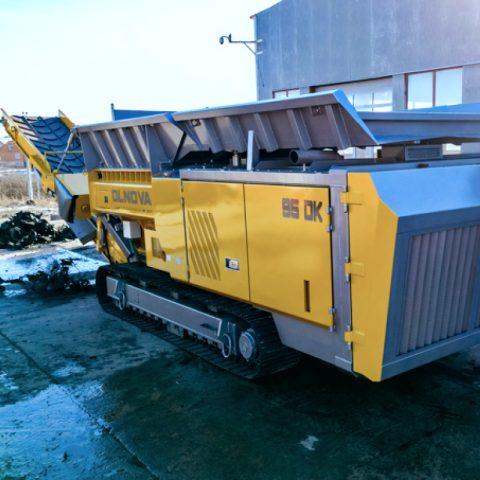
Mobile Shredder | Olnova 95 Series
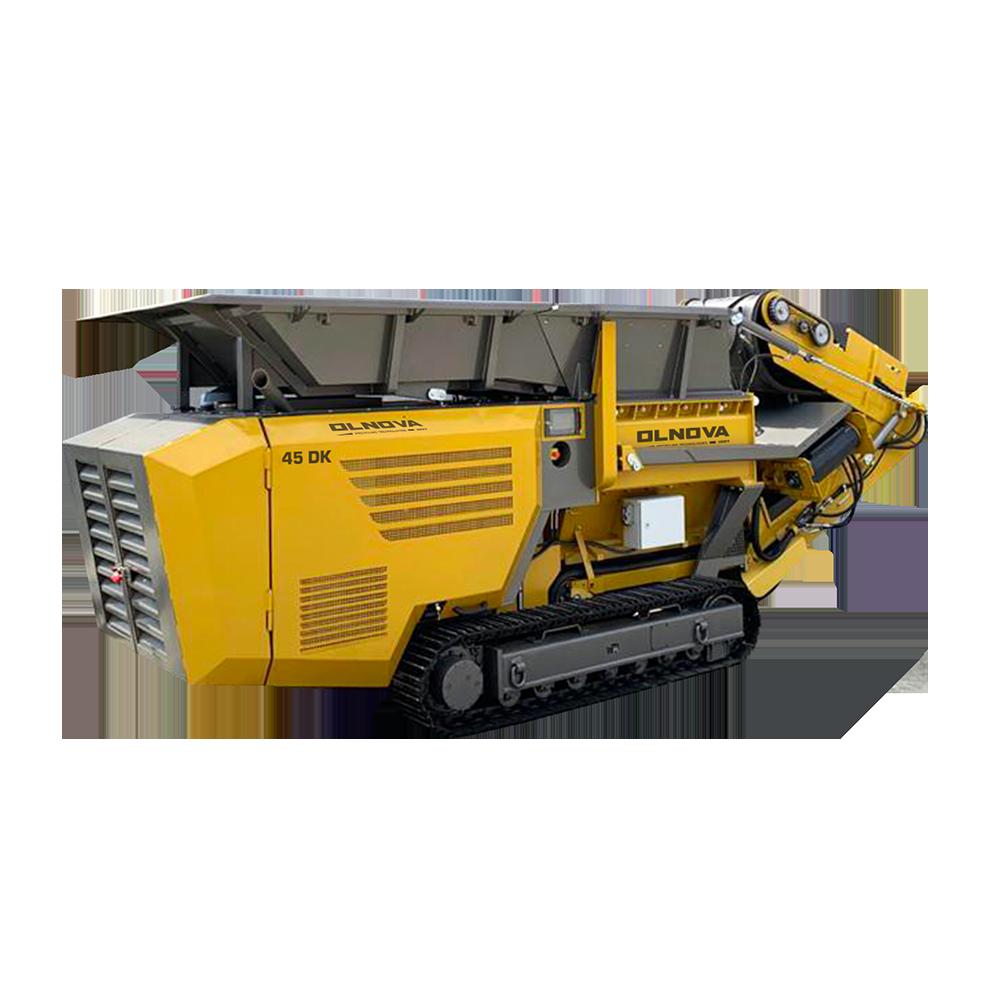
Mobile Shredder | Olnova Model 45 Series
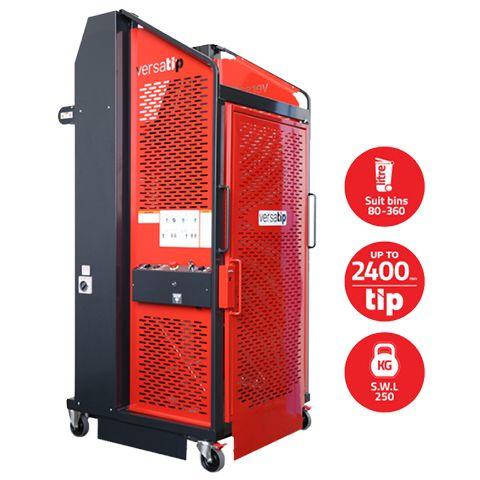
Versatip Bin Tipper
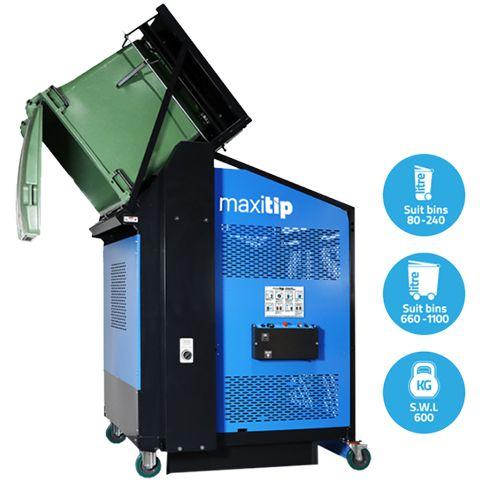
Maxitip Bin Tipper
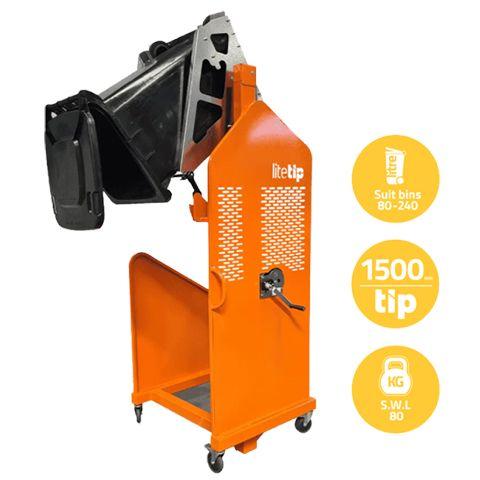
Litetip Bin Tipper
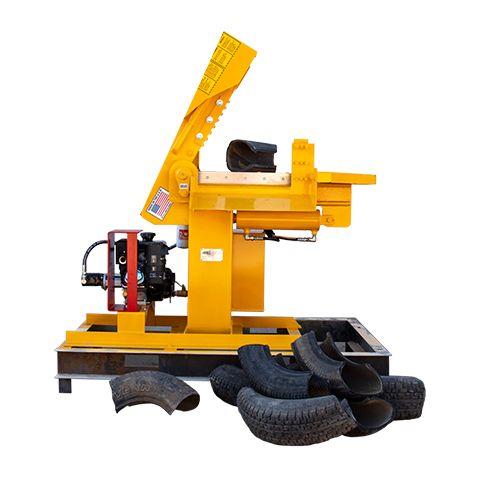
Eagle TC Gator Tyre Shear
You might also like these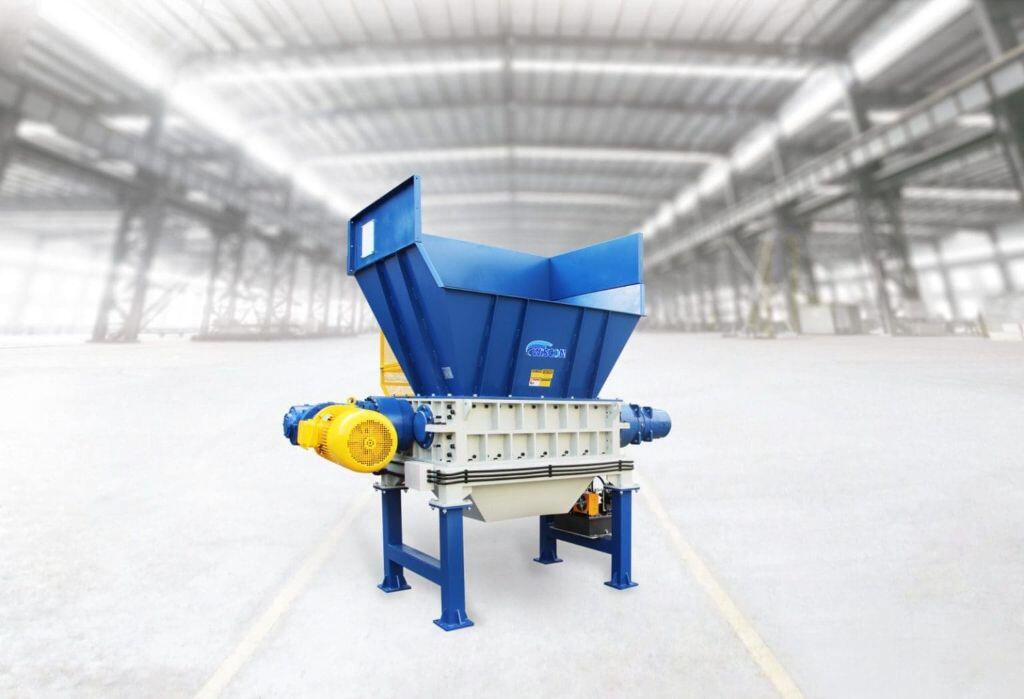
.jpg)
.jpg)
.jpg)
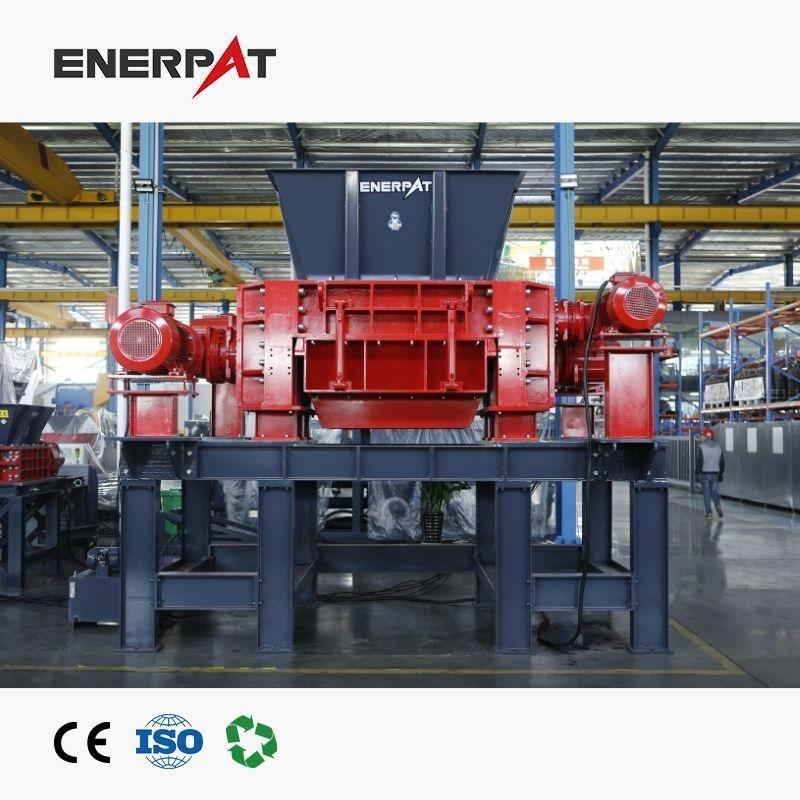
Industrial Twin Shaft Plastic Metal Scrap Shredder DS3120
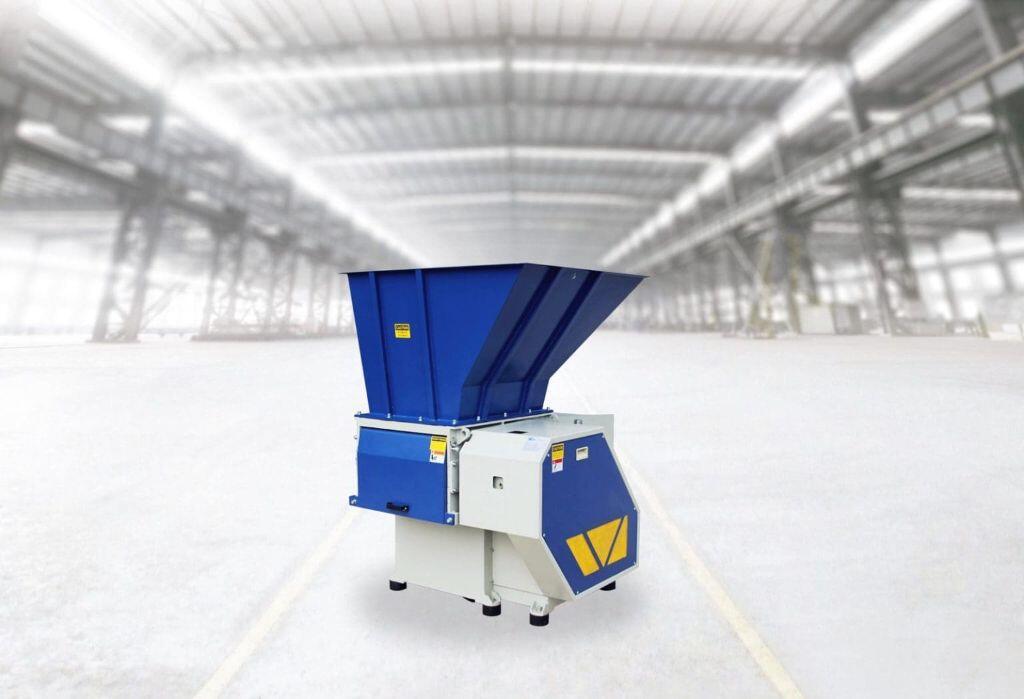
Industrial Plastic Shredder 20kW P260
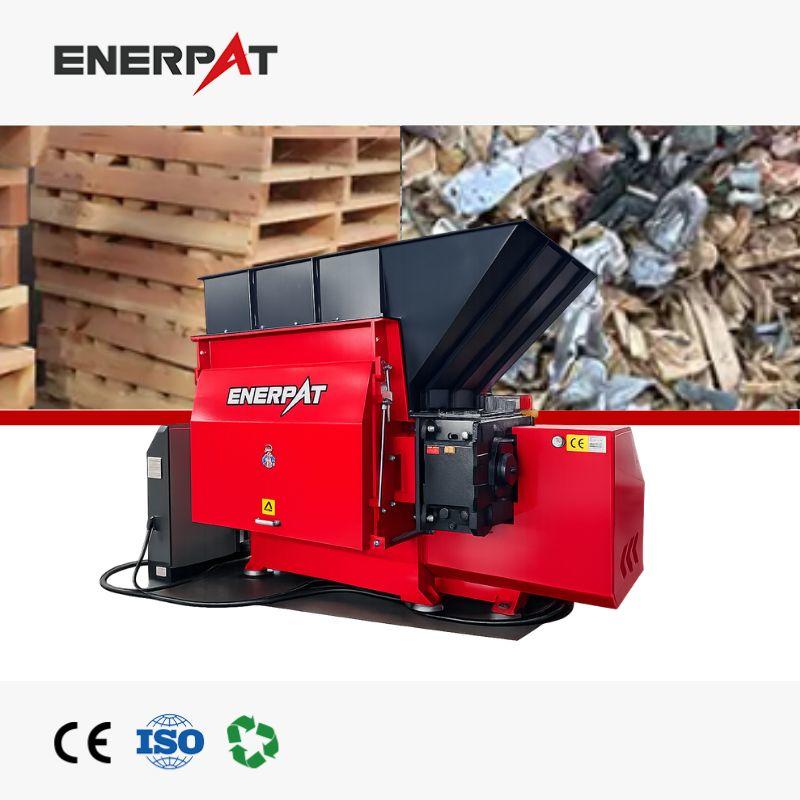
Single Shaft Wood Waste Shredder
Double Shaft Waste Mattress Shredder
Tire Steel Wire Separator | Up to 5 TPH
Tire Shredder for Pyrolysis / Improve Pyrolysis Feed Efficiency
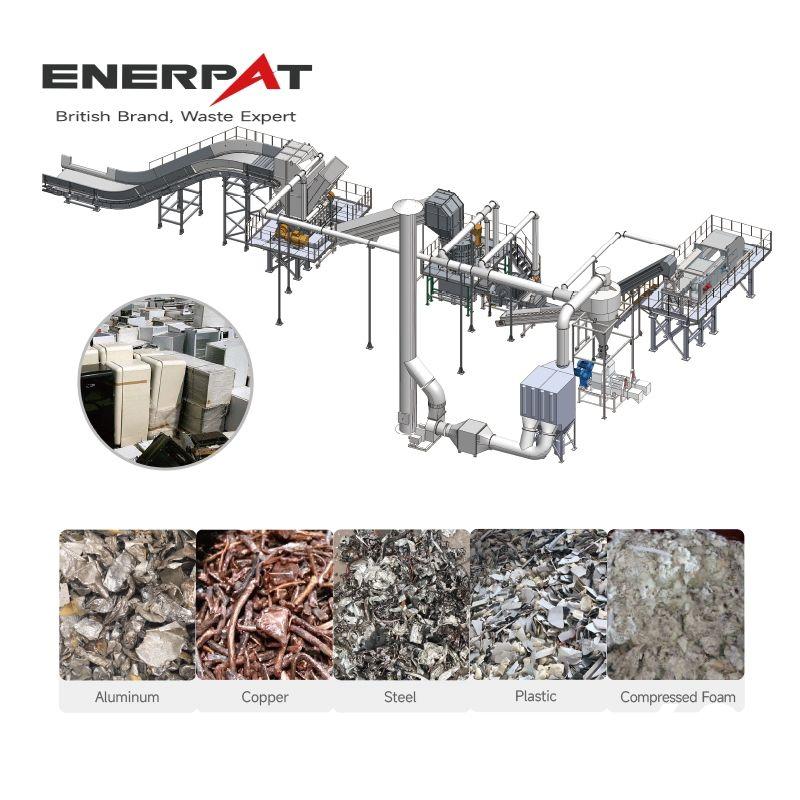
E-Waste Shredding and Sorting System for Metal Recovery
Tire Steel Wire Separator
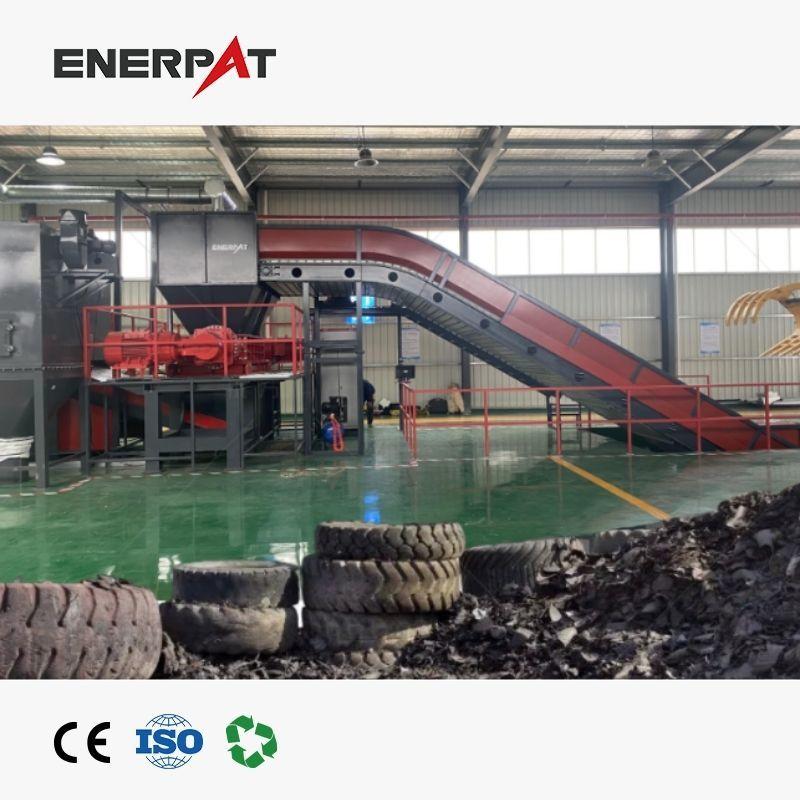
Double Shaft Tyre Recycling Shredder Up to 3 Tonnes Per Hour
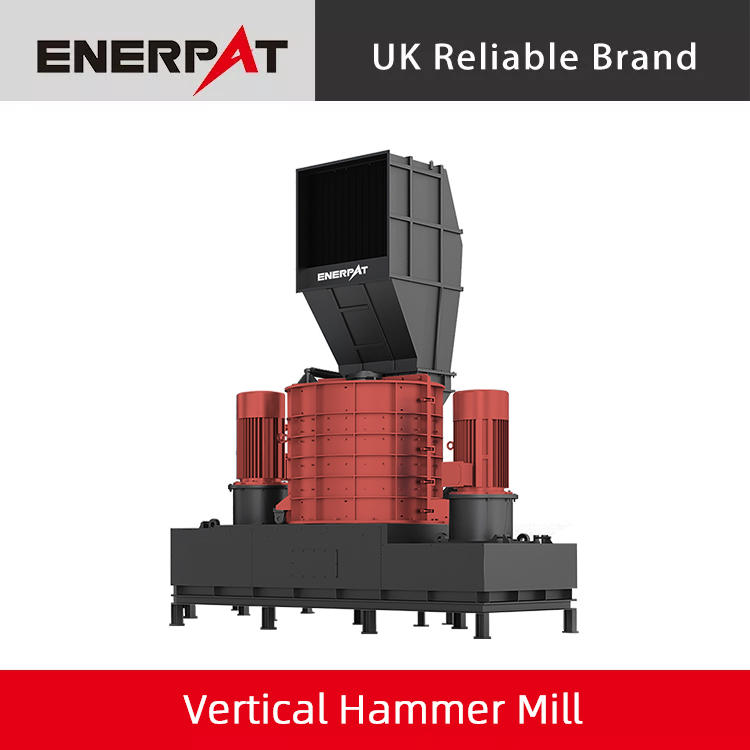
Vertical Hammer Mill Electronic Waste Shredder | V Series
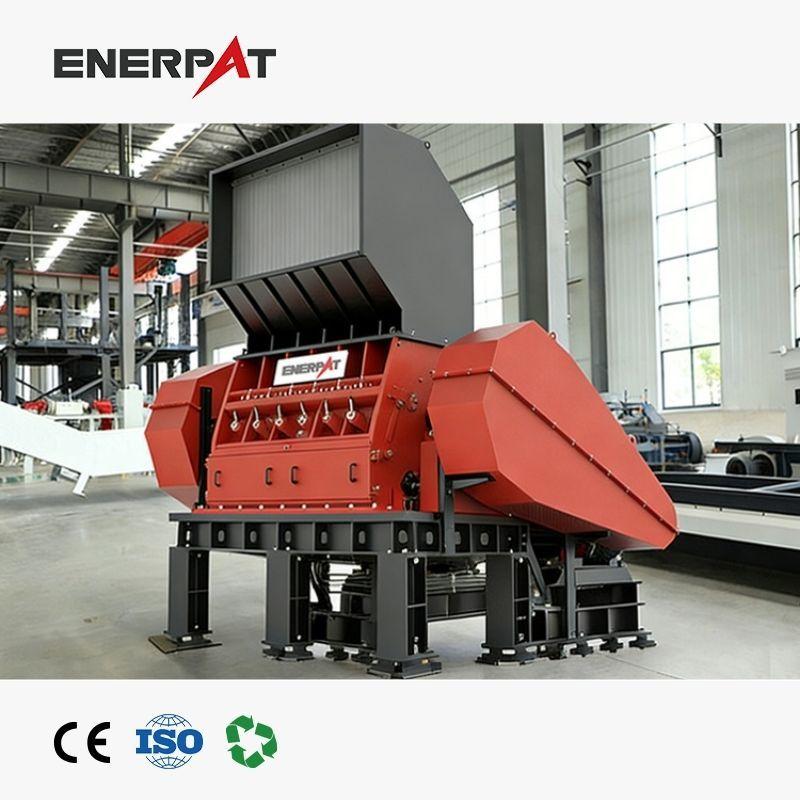
Four Shaft Shredder | Electrical Waste Shredder
Mobile Shredder | Olnova 75 Series

Are you a Waste Shredder supplier? Reach valuable industrial buyers in minutes
 Promote key products & content
 Drive cost effective & measurable saleslearn more
Reach valuable industrial buyers in minutesPromote key products & contentDrive cost effective & measurable salesContact Waste Initiatives