In short:
Yes. Dentists, doctors and allied health practitioners can finance most equipment they treat patients with, new or used. Associates, contractors and new graduates can qualify too, but lenders look closely at how you're paid. Healthcare lenders, banks and brokers each suit different deals.
Key facts
- Equipment is the easy part: It can be sold again, so it can secure its own loan. Fitout works, software and goodwill lean harder on you and the practice, and often sit on a separate facility.
- Your pay record matters more than your job title: Associates and contractors are assessed on what they've actually been paid and for how long, from tax returns, BAS and the practice's remittance statements.
- New graduates start smaller: Some lenders that focus on healthcare weigh your registration and what you've earned so far, though a first deal may need a deposit, a guarantor or a smaller amount.
- Supplier finance is one quote: Compare it with a healthcare lender, your bank and a broker on the total cost, not the repayment alone.
Whether you're adding a chair, buying an ultrasound for the rooms or fitting out your first practice, the same three questions come up. Can I finance this? Will a lender take me seriously if I'm an associate, a contractor or just out of uni? And should I go to the healthcare lender everyone at work uses, my own bank or a broker? Here's how lenders commonly look at each one, so you know what to bring and who to ask.
What a dentist, doctor or allied health practitioner can finance
If you use it to treat patients and it could be sold again, a lender will usually consider it. That covers most of a practice.
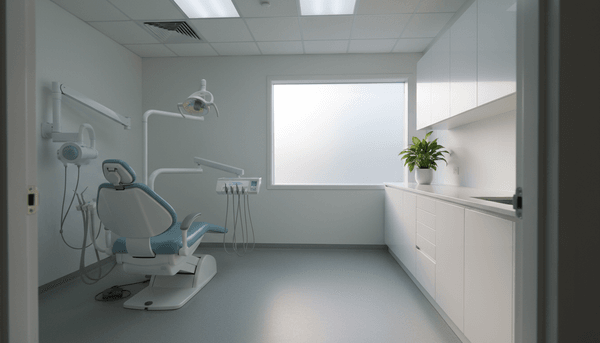
- Dental: chairs and delivery units, OPG, CBCT and intraoral X-ray, intraoral scanners, CAD/CAM milling units, autoclaves and the steri room, compressors and suction, dental lasers.
- GPs and specialists: examination and procedure couches, ECG and spirometry, patient monitors, ultrasound, procedure lights, sterilisation, and specialist gear such as endoscopy or surgical equipment.
- Imaging and day surgery: X-ray, ultrasound, CT and MRI, theatre tables and lights, sometimes with installation included.
- Allied health: physio treatment tables, shockwave and rehab equipment, optometry testing equipment, podiatry chairs, chiropractic tables.
- Around the clinic: furniture, computers and a car you use for work, though some of these are financed differently.
New and used equipment can both be financed, and so can gear from a private seller. Expect lenders to look harder at older or privately sold equipment, because it's harder to value.
What usually sits on a different loan
Three things often get lumped in with equipment but are treated differently.
- Fitout works. Joinery, plumbing and electrical work can't be taken out and resold, so lenders lean more on you and the practice. Fitouts are often funded through a separate fitout facility that pays the builder in stages.
- Software and IT. Practice software and subscriptions have little to resell. Some lenders will include them in a bigger equipment package, others won't finance them on their own.
- Goodwill. Buying into or buying out a practice is a business loan against the practice's earnings, not asset finance, and it comes with its own paperwork.
How lenders look at a practitioner
For a piece of equipment, a lender is asking two questions. Is the equipment worth lending against? And can you keep up the repayments? The first is about the asset: what it is, how old it is and what it would fetch if it had to be sold. The second is about you, and that's where your work set-up comes in.
Things lenders commonly look at:
- Your registration, and for doctors sometimes your Medicare provider number
- How long you've worked in your profession, and how long your ABN has been registered
- How you're paid: a salary, a share of what you bill, or your own practice's takings
- What you've actually earned, from tax returns, BAS and bank statements
- Your credit report and any other loans you're paying off
- What you're buying, from the supplier's quote or tax invoice
Lenders that focus on healthcare tend to know how practitioners are paid, so an associate's or contractor's income doesn't look unusual to them. A general lender may be less used to it and want more paperwork before it's comfortable.
Whichever group you're in, the equipment has to be for your work. Equipment finance is business finance.
Associates and contractors
Many associate dentists and GPs work as contractors under their own ABN, either paid a share of what they bill or paying the practice a service fee. Plenty of physios, psychologists and other allied health practitioners work the same way. To a lender, that makes you self-employed, even if you've been at the same practice for years.
That isn't a problem in itself. It just changes the evidence. Instead of payslips, expect to show what you've been paid: recent tax returns and notices of assessment, BAS if you're registered for GST, bank statements, and the remittance statements the practice sends you. Your associate or service agreement helps too, because it shows the arrangement is ongoing.
The catch for many contractors is a young ABN. Some lenders want an ABN to have been registered for a set time before they'll lend on low doc terms. Some healthcare lenders will look past a recent ABN if you were already working in the same profession before you switched to contracting, because your income didn't really start when the ABN did.
New graduates and first practices
A new graduate has registration and not much else on paper yet. Some lenders that focus on healthcare will still finance equipment for recent graduates, weighing the registration and whatever you've earned so far as an employee, a registrar or an associate. Expect the first deal to be more careful: a smaller amount, a deposit or sometimes a guarantor.
Opening your own practice is the bigger step. On top of your income record, lenders commonly ask for a signed lease or a letter of offer on the premises, a business plan showing how you expect the patient book to build, equipment and fitout quotes, and a cash flow forecast. The more of that you have ready, the easier the conversation.
Employed doctors and dentists moving into private work sit in between. Payslips show a steady income, but if the equipment is for a new private practice, the lender will also want to know how that practice will earn.
The paperwork lenders commonly ask for
Each lender has its own list, and a bigger amount or a newer ABN usually means more of it.
| What the lender needs to know | What it usually asks for |
|---|---|
| Who you are and that you can practise | Photo ID, your registration details and your ABN |
| What you earn | Payslips if you're employed. Tax returns, notices of assessment, BAS, bank statements and the practice's remittance statements if you're an associate or contractor |
| What your arrangement is | Your associate, contractor or service agreement |
| What you're buying | The supplier's quote or tax invoice, with the make, model and price |
| How a new practice will earn | A signed lease or letter of offer, a business plan, fitout quotes and a cash flow forecast |
Worked example: an associate dentist opening a first practice
This is an example with round numbers, made up to show how a lender might look at the deal. It isn't a real deal or a quote.
A dentist has spent several years as an associate, paid a share of what they bill through their own ABN. They've signed a lease on a shopfront and want to open with two surgeries.
| Example | Amount | How lenders commonly treat it |
|---|---|---|
| Two chairs and delivery units | $90,000 | Equipment that can be sold again, so it can secure its own loan |
| OPG and intraoral scanner | $80,000 | Equipment, financed the same way |
| Steri room and small equipment | $30,000 | Equipment, often bundled with the rest |
| Fitout works: joinery, plumbing, electrical | $250,000 | Little resale value, so usually a separate fitout facility paid to the builder in stages |
| Cash to cover the first months | $50,000 | Not asset finance. Savings, or a separate overdraft or line of credit |
The $200,000 of equipment is the straightforward part. The lender looks at the equipment quotes, the associate income on the tax returns and remittance statements, and the dentist's credit report.
The $250,000 fitout is where the lender leans on the paperwork: the signed lease, the business plan and how the patient book is expected to build. If the lender offers less than the full fitout, the gap comes from savings or a deposit, so it's worth knowing that before the builder starts.
Chattel mortgage, lease or hire purchase
Practice equipment is usually financed one of three ways.
- Chattel mortgage: you own the equipment from the start, and the lender takes security over it until the loan is paid off.
- Finance lease: the lender owns the equipment and you pay to use it for the term.
- Commercial hire purchase: the lender owns it while you pay, and it becomes yours with the last payment.
Which one suits depends on whether you want to own it, how long you'll keep it before you upgrade, and how your accountant wants it treated for tax. Whether you can claim back the GST on the equipment depends on your GST registration and set-up, so check that with your accountant before you count on it.
Ask your accountant about the instant asset write-off too. The ATO's page on the write-off says eligible businesses can claim an immediate deduction for the business portion of an asset's cost in the year it's first used or installed ready for use. It works for new and second-hand assets, and for several assets, as long as each one costs less than the limit. For businesses with an aggregated turnover under $10 million that use the simplified depreciation rules, the ATO lists the limit as $20,000 for assets first used or installed ready for use on or after 1 July 2023. An asset that costs the limit or more goes into the small business pool instead.
A practice's equipment list often has items on both sides of that limit, so check each one. Whether you can claim the write-off on equipment you've financed depends on the structure, so ask your accountant before you choose between a chattel mortgage and a lease.
Specialist lender, bank or broker: which fits
There's no single right answer. Each route suits a different kind of deal.
| Route | Where it tends to fit | What to check |
|---|---|---|
| A healthcare specialist lender | New graduates, practitioners with a short trading record, fitouts and practice purchases, where knowing how practitioners are paid matters | It can only offer its own products, so get at least one other quote to compare it with |
| Your own bank | An established practice with full financials, a long banking relationship and perhaps property | It may want full financials even for one piece of equipment, and may want to tie the loan to your other banking |
| Supplier finance | Convenience at the point of sale, sometimes with a promotional deal | It's one offer. Ask for the cash price as well, and compare the total cost, not just the repayment |
| A broker | Comparing several lenders at once, or a deal that doesn't fit neatly, such as an associate setting up, a contractor with a young ABN, or equipment and a fitout together | Ask which lenders they work with and how they're paid |
A broker isn't a lender. A good one should be able to tell you which lenders suit your situation and why, and put the healthcare specialists, the banks and the asset lenders side by side.
Where EasyAsset comes in
Practitioners rarely stay in one box for long. You might be an associate this year, contracting across two practices next year and an owner after that, and each step changes which lenders want your deal. We work with 60+ lenders, including specialist healthcare lenders, so we can match the equipment and your set-up to a lender that suits both.
If you're about to sign a lease or order equipment, get your side sorted first. Pre-approval in 24 hours means you can talk to the supplier knowing what you can borrow.
Buying for a dental practice? Get a dental equipment finance quote from EasyAsset here. Running a GP, specialist or allied health practice? Start with medical equipment finance.
The broker's view
Being an associate isn't the problem most people think it is. I just need to see what you've actually been paid, and for how long, so bring your tax returns and the practice's remittance statements. The deals that get stressful are the ones where the fitout quote turns up a week before the builder starts.
Frequently asked questions
Can an associate dentist get equipment finance?
Yes. If you're paid through your own ABN, lenders treat you as self-employed, so expect to show what you've been paid through tax returns, BAS, bank statements and the practice's remittance statements. Your associate agreement helps show the income is ongoing.
Can a new graduate finance dental or medical equipment?
Some lenders that focus on healthcare will, weighing your registration and what you've earned so far. Expect a more careful first deal, which can mean a smaller amount, a deposit or a guarantor. For a first practice, a signed lease and a business plan make a real difference.
Can I finance the fitout and the equipment together?
Often with the same lender, but usually on separate facilities. Equipment can secure its own loan because it can be sold again. Fitout works can't, so they're commonly funded through a fitout facility that pays the builder in stages, with more weight on your income and business plan.
Is a healthcare specialist lender better than my bank?
Neither is right for everyone. Specialists know how practitioners are paid and often suit new graduates and practice set-ups. A bank can suit an established practice with full financials and a long relationship. Comparing both, or using a broker to do it, shows you the difference.
Can I claim the instant asset write-off on financed equipment?
It depends on whether your business is eligible, what the asset costs against the ATO's limit, and the finance structure. Your accountant can tell you whether a chattel mortgage or a lease works better for your tax position before you sign.